


Our Approach
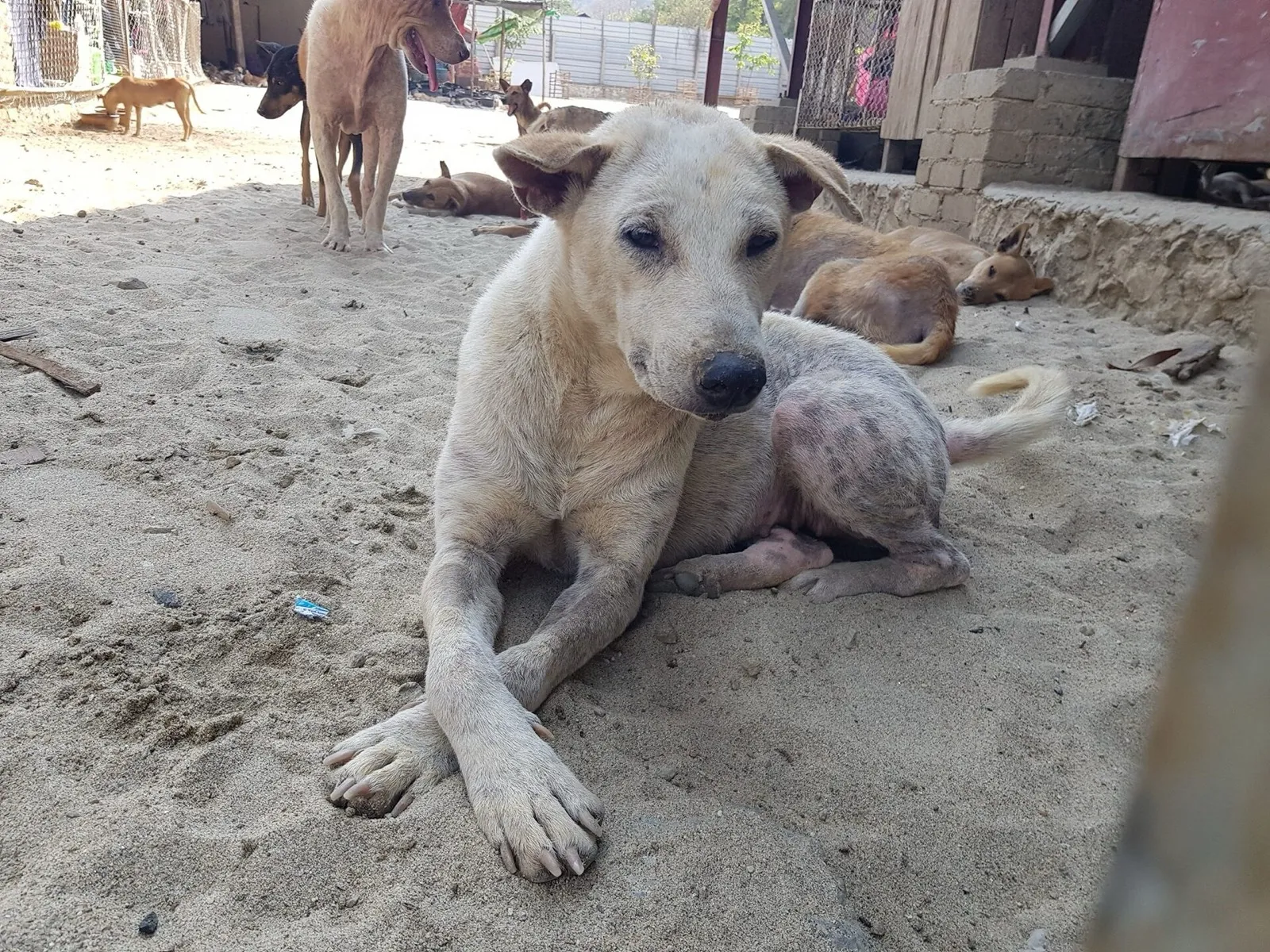
LSTSI combines humane population management, veterinary training, education, and community engagement to reduce animal suffering and improve public health in Myanmar. Through locally led programs and sustainable solutions, we work to create healthier street animal populations and stronger communities.

100% Volunteer and Locally Led
A Humane, Community-Centered Approach
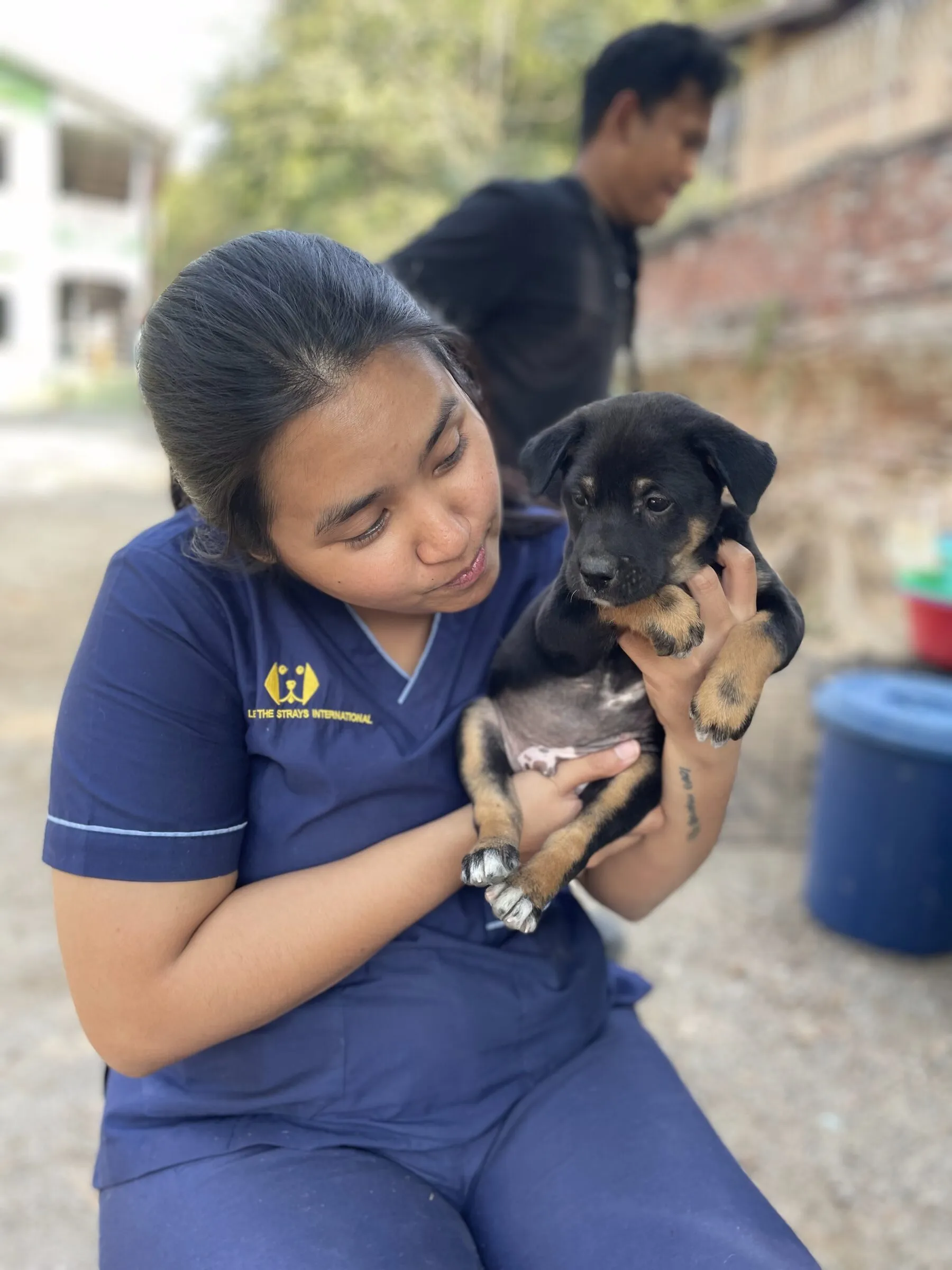
LSTSI is a volunteer-run organization operating locally led programs in Myanmar. Our work is guided by the belief that lasting reductions in animal suffering and rabies risk are only possible through humane population management, veterinary capacity building, and ongoing community education.
LSTSI's work is built around three interconnected pillars that improve the lives of both animals and people.
TNVR and Veterinary Capacity Building
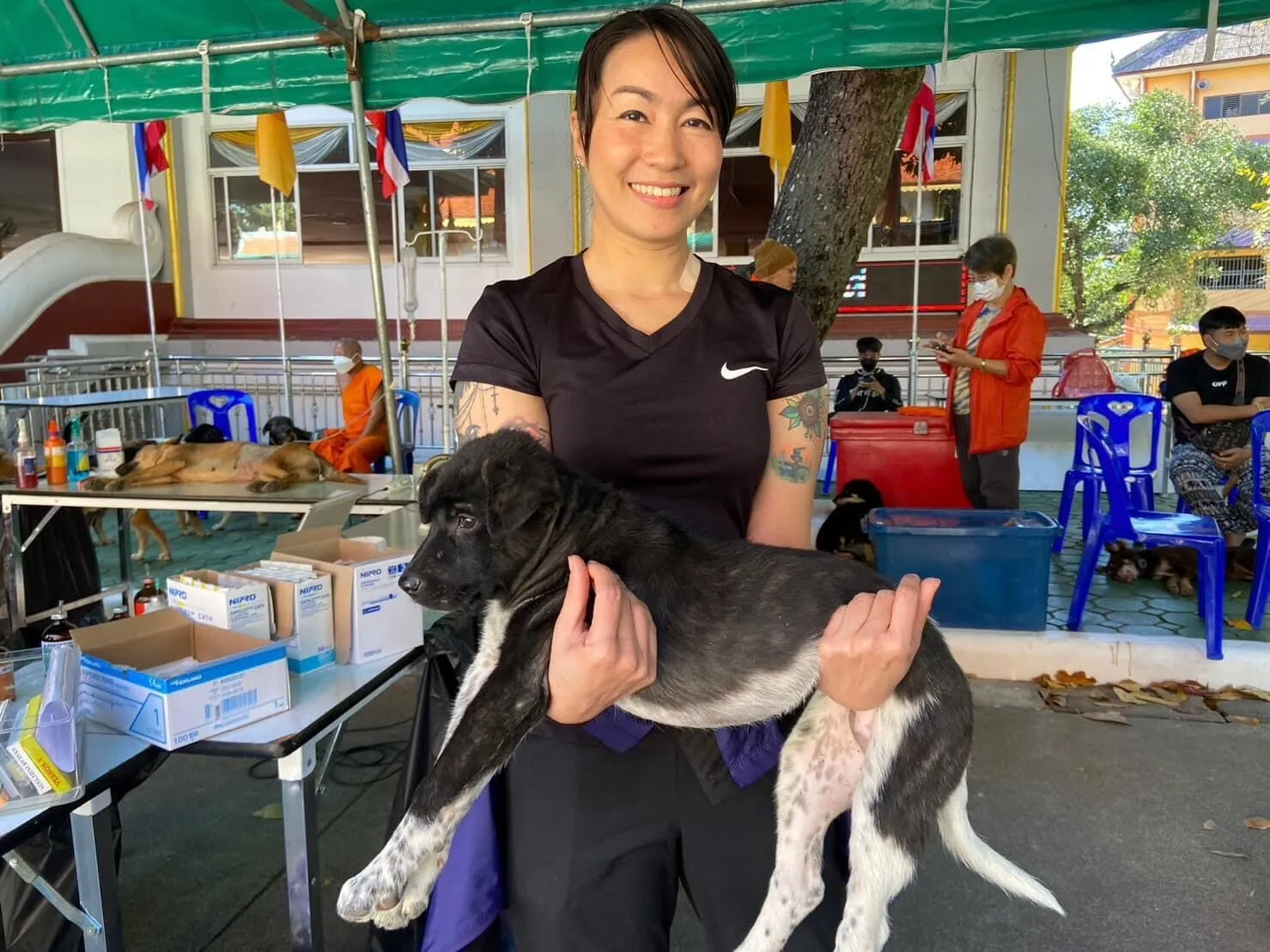
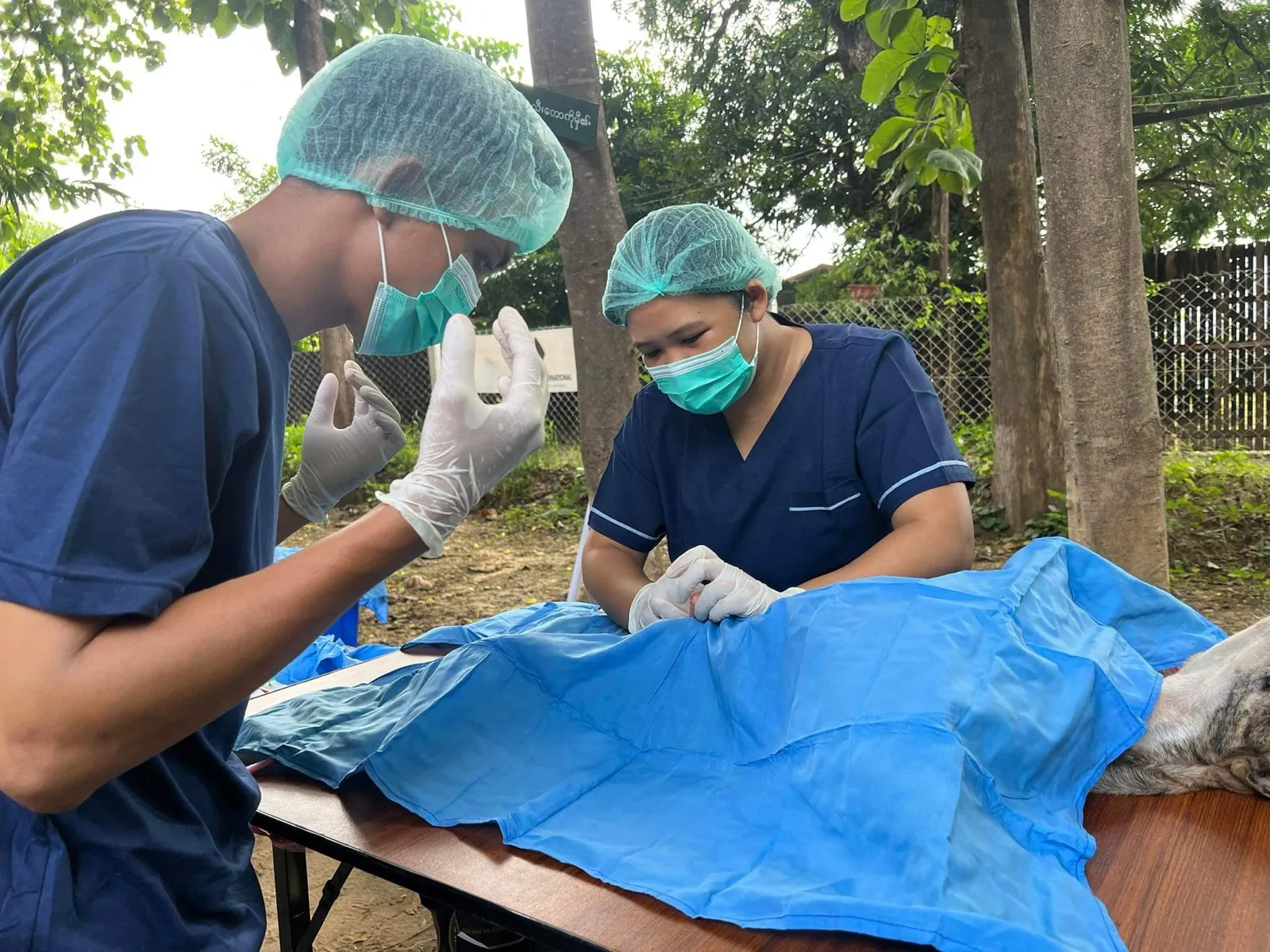
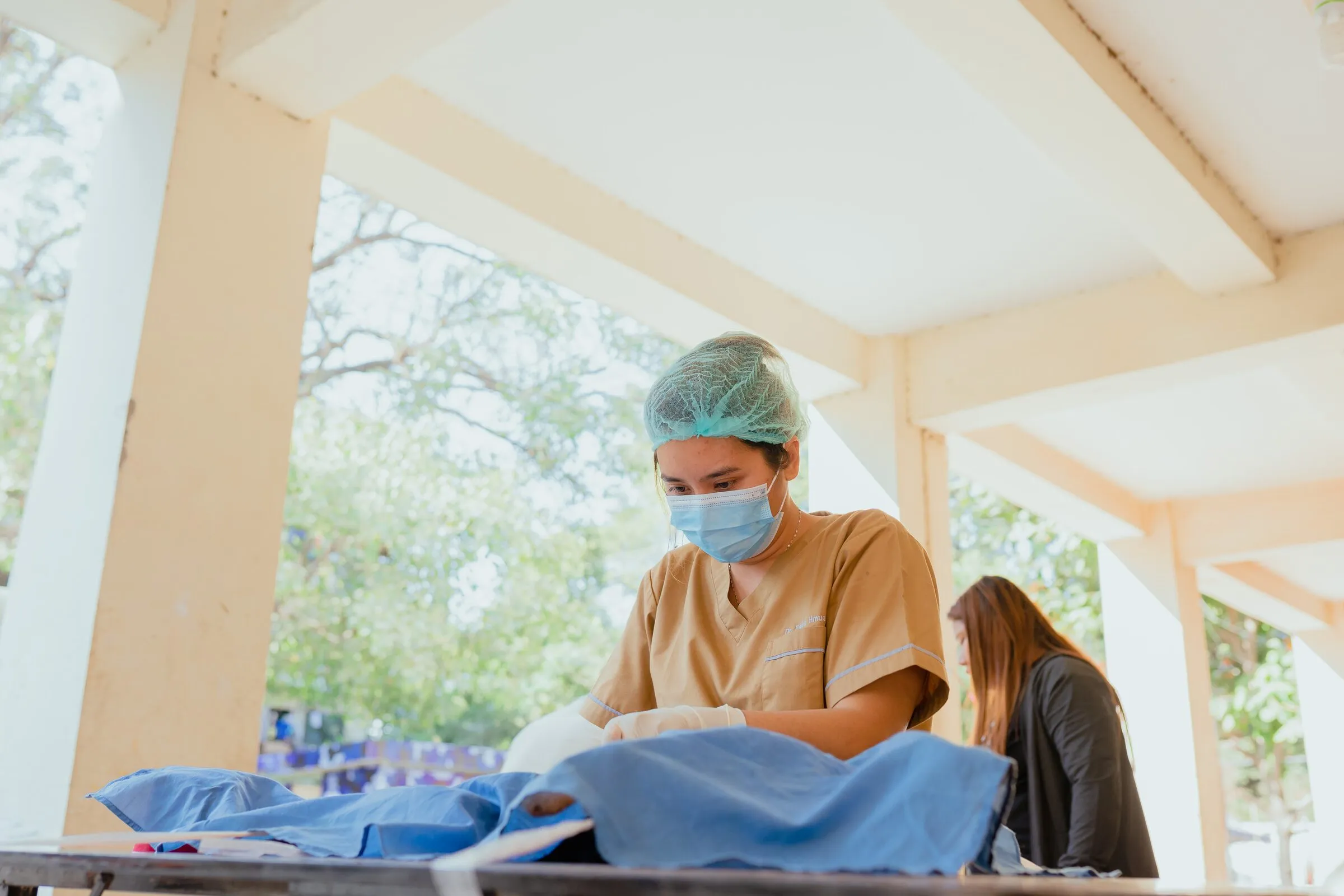
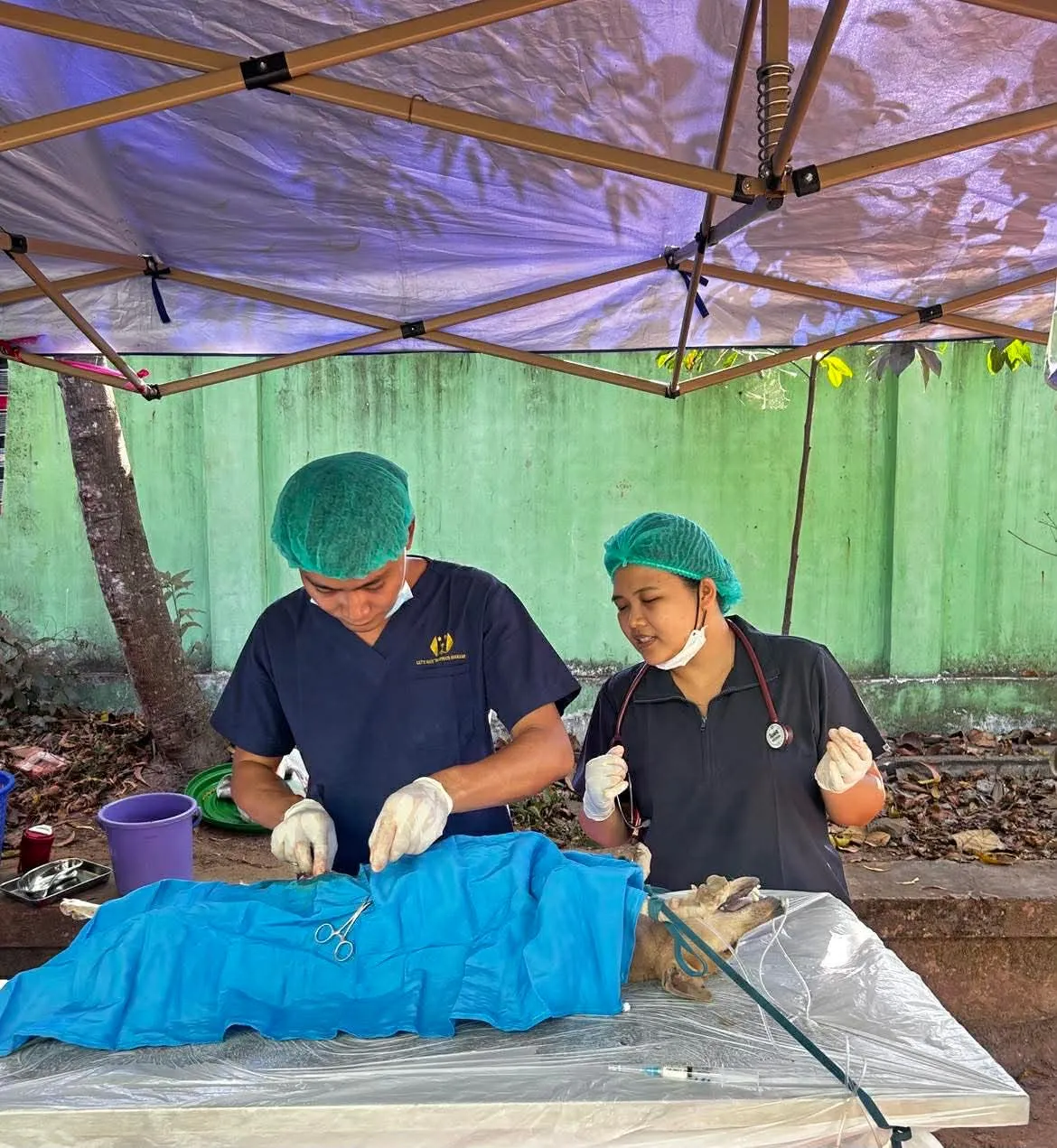
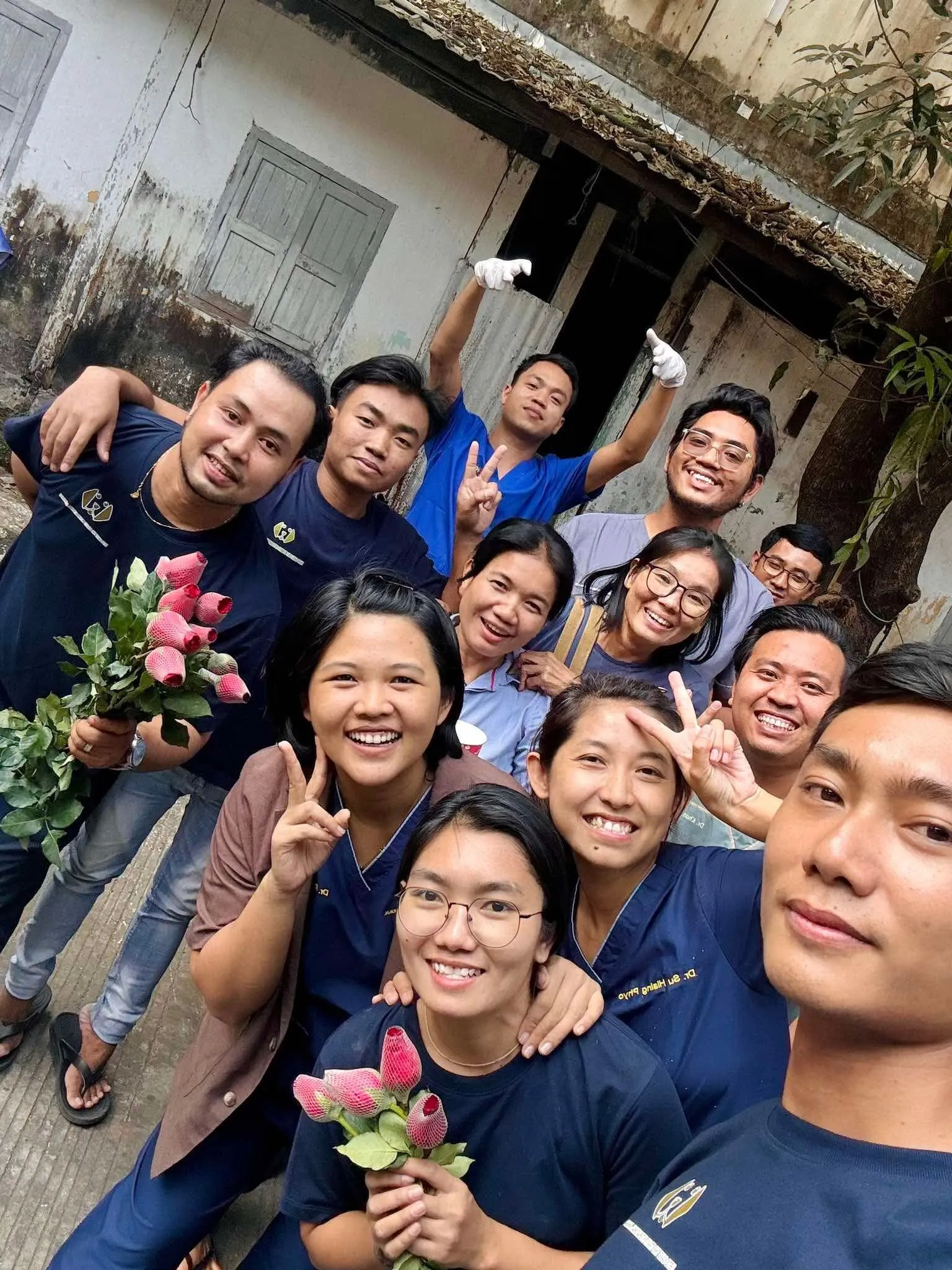
High-volume Trap-Neuter-Vaccinate-Return (TNVR) is at the heart of LSTSI's work. Through monthly M.A.S.H.-style clinics in Mandalay and Yangon, our teams provide sterilization surgery, rabies vaccination, parasite prevention, and preventive veterinary care for free-roaming dogs and cats. By bringing veterinary services directly into the communities where the animals live, these clinics help reduce animal suffering, stabilize street dog populations, and decrease rabies risk.
At the same time, LSTSI invests in the next generation of veterinarians in Myanmar. We support veterinary students as they pursue formal veterinary education and provide hands-on training through our clinics, where they gain practical experience in surgery, anesthesia, humane handling, and field-based animal welfare. By pairing classroom education with real-world experience, LSTSI is helping build the local expertise needed to sustain humane population management efforts for years to come.
Public Education and Advocacy
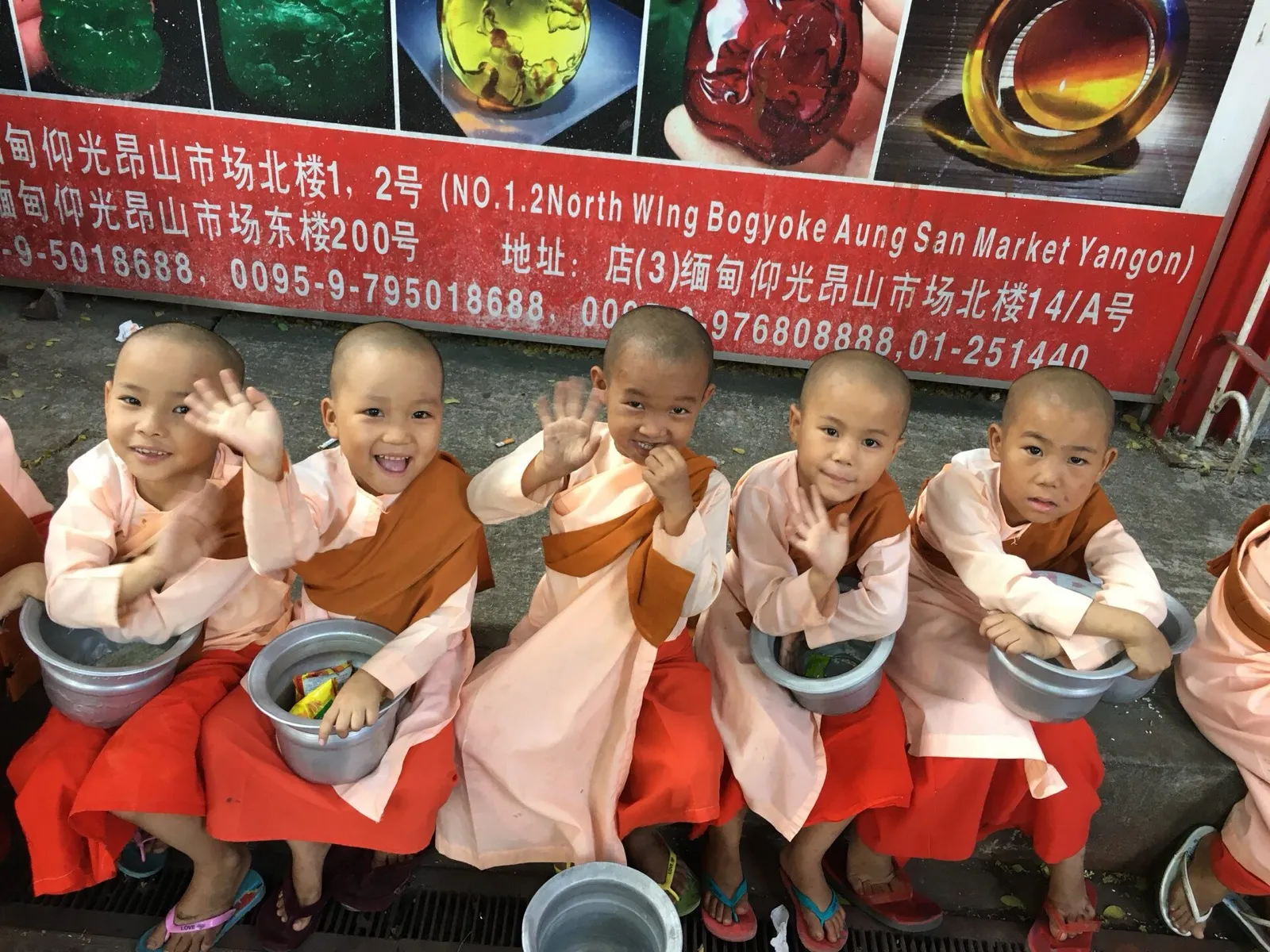
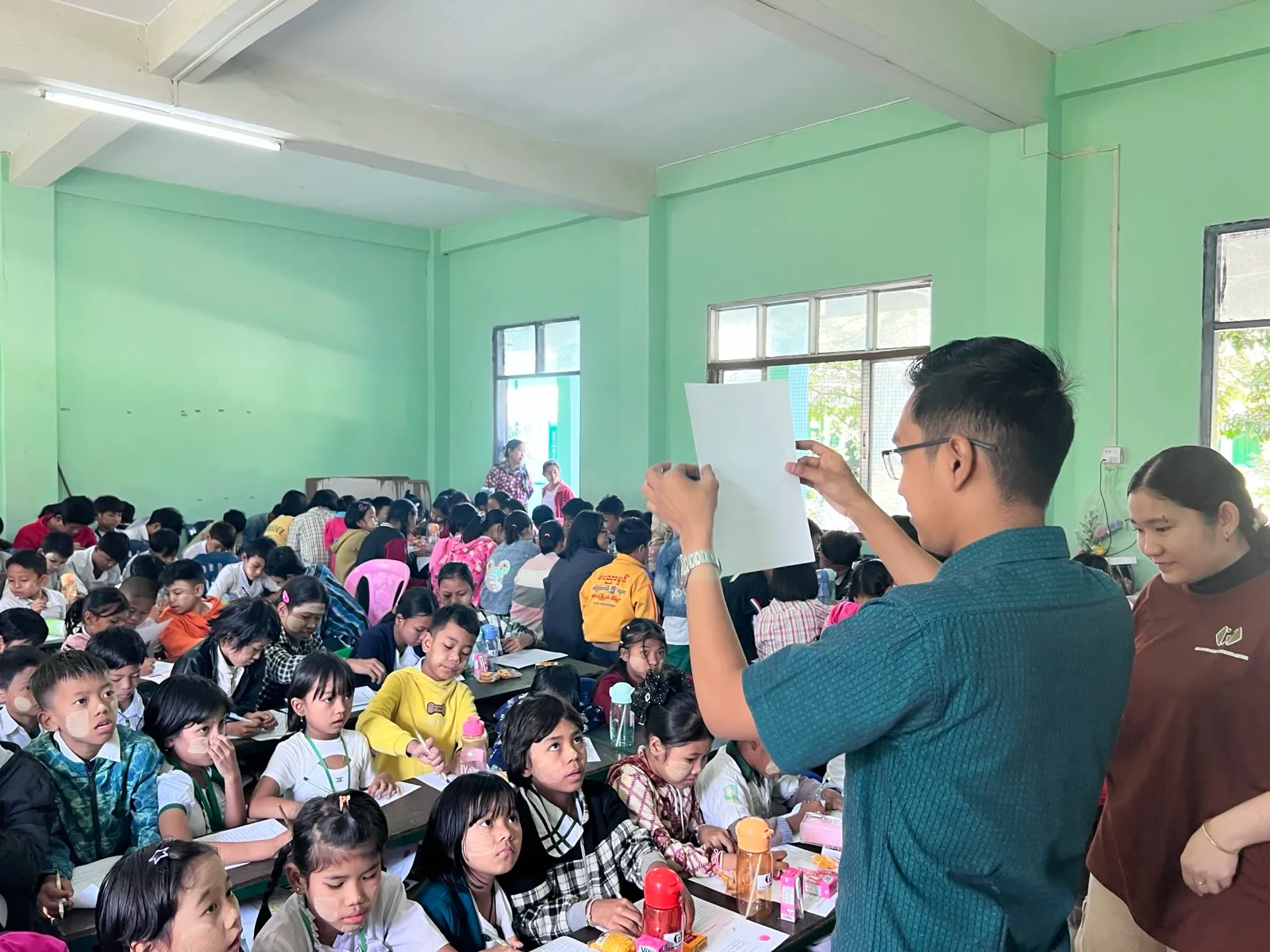
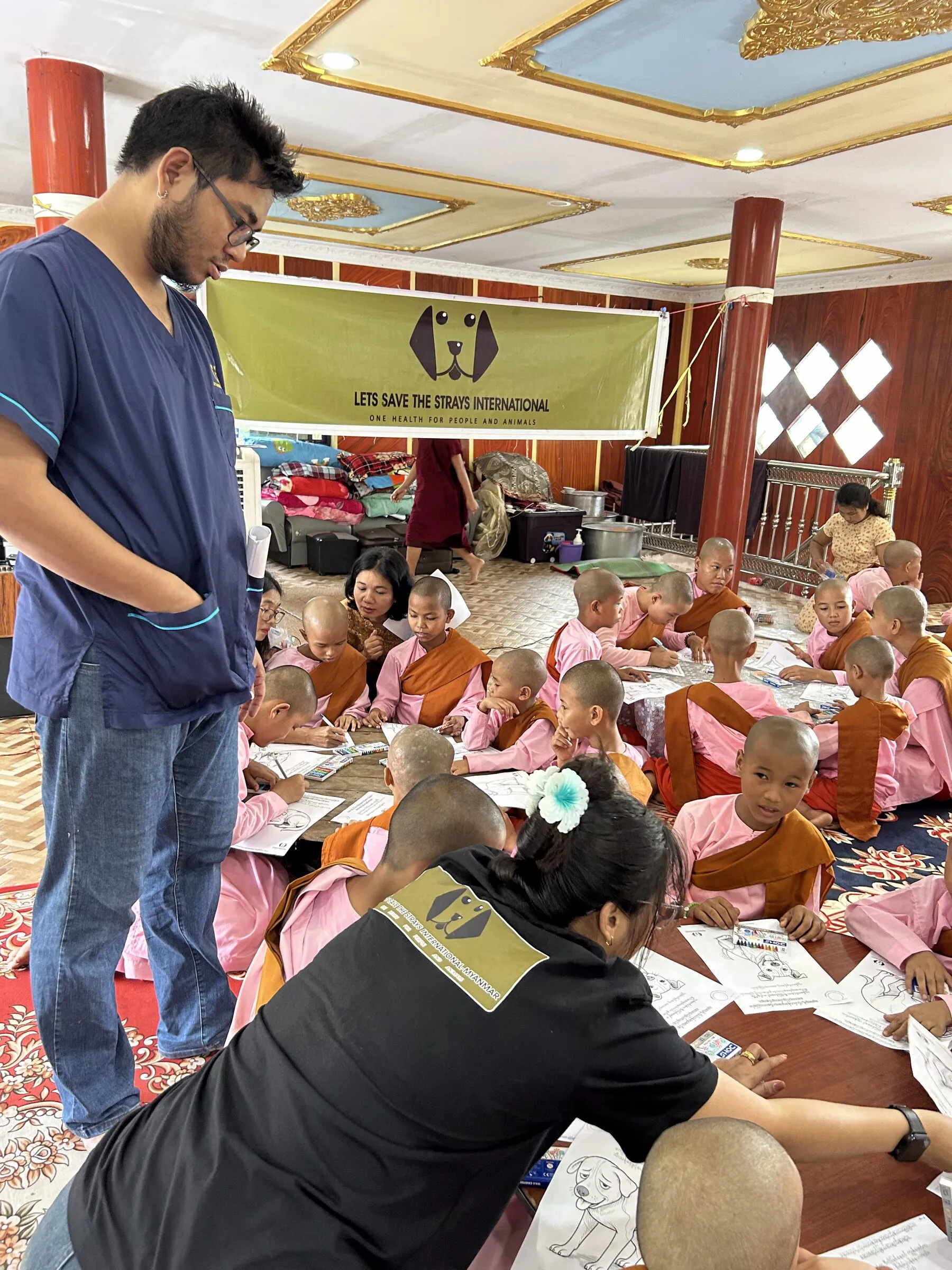
LSTSI believes that long-term reductions in animal suffering and rabies risk depend not only on veterinary care, but also on informed and engaged communities. Through school and monastery programs, our local teams teach children about humane dog behavior, rabies prevention, dog-bite prevention, and safe coexistence with free-roaming animals. These programs are especially important in communities where children interact with street dogs on a daily basis.
Education is a critical component of public health and sustainable population management. By helping young people better understand animal behavior and the importance of vaccination and responsible care, LSTSI aims to foster greater compassion, improve community safety, and strengthen the connection between animal welfare and human health. Through ongoing outreach and advocacy, we work to promote TNVR as a humane and effective solution to managing street dog populations and reducing rabies risk across Myanmar.
Community Engagement
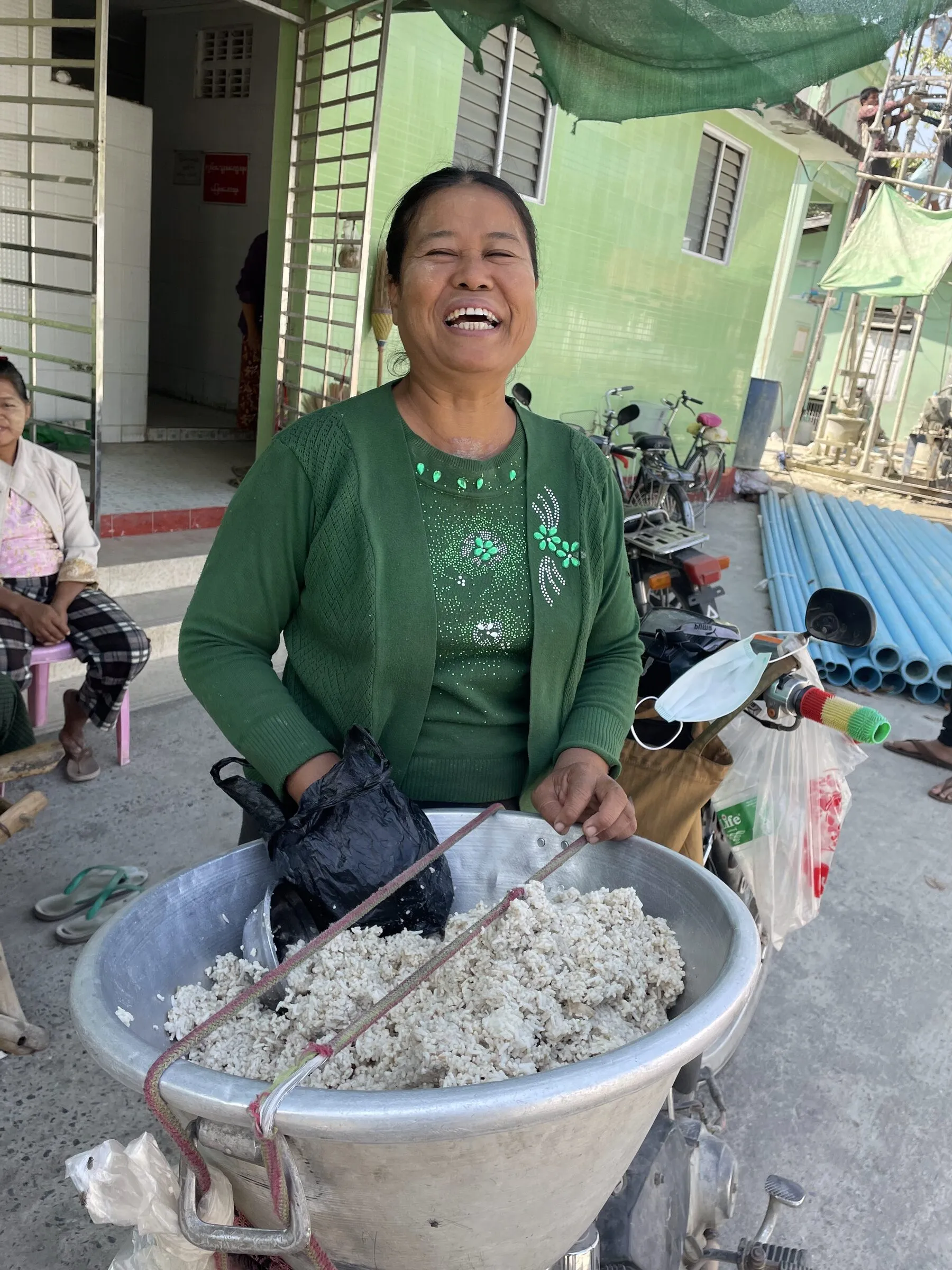
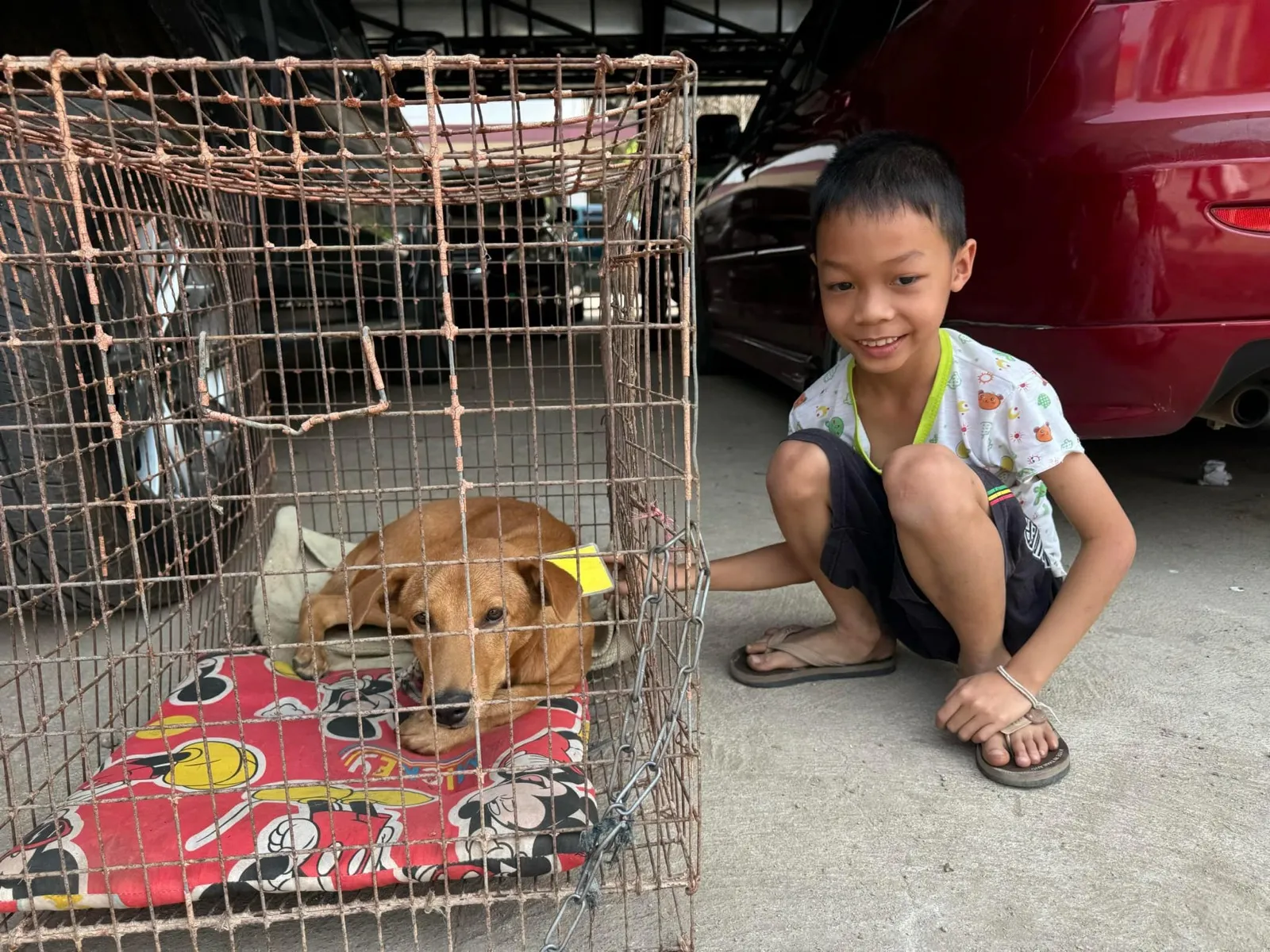
Sustainable change is only possible when communities are actively involved in the work. LSTSI's community engagement efforts are centered around Community Animal Guardians, local volunteers, and neighborhood leaders who help care for and monitor free-roaming animals in the areas where we operate. These individuals play an essential role in identifying animals in need of surgery or medical treatment, coordinating transportation to clinics, and supporting animals as they recover.
Community members are often the first to recognize emerging needs and are critical partners in ensuring that our programs remain responsive and effective. Their ongoing involvement helps strengthen trust, supports long-term reductions in animal suffering, and encourages local ownership of humane population management efforts.
LSTSI currently works with more than 80 Community Animal Guardians, approximately 60 volunteers, and over 140 community partners across Mandalay and Yangon, creating a network of support that extends far beyond our monthly clinics. Through this collaborative approach, communities are empowered to play an active role in building healthier street animal populations and safer neighborhoods.


Data and Accountability
Measuring Progress
LSTSI measures impact across all three pillars through data collection, population surveys, and ongoing community engagement. Using the Talea app through the International Companion Animal Management Coalition (ICAM), our teams monitor sterilization and vaccination rates and track long-term changes in the communities where we work.
To date, surveyed communities have achieved average sterilization and vaccination rates of approximately 80 percent. These data help inform program decisions, identify areas of need, and measure progress toward healthier animal populations and safer communities.
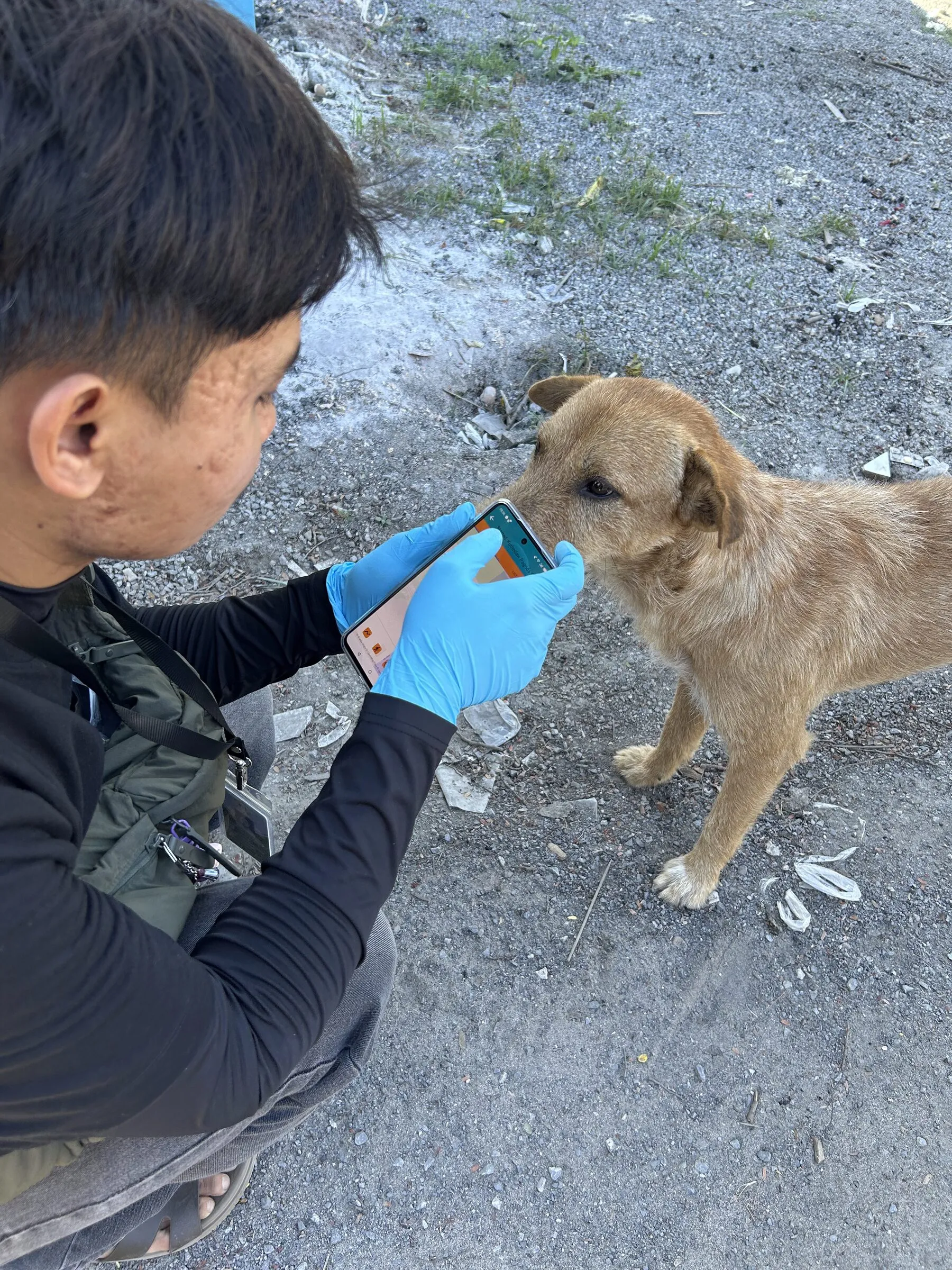
Volunteers log each surveyed animal in the field with the Talea app.
Connected Health
One Health
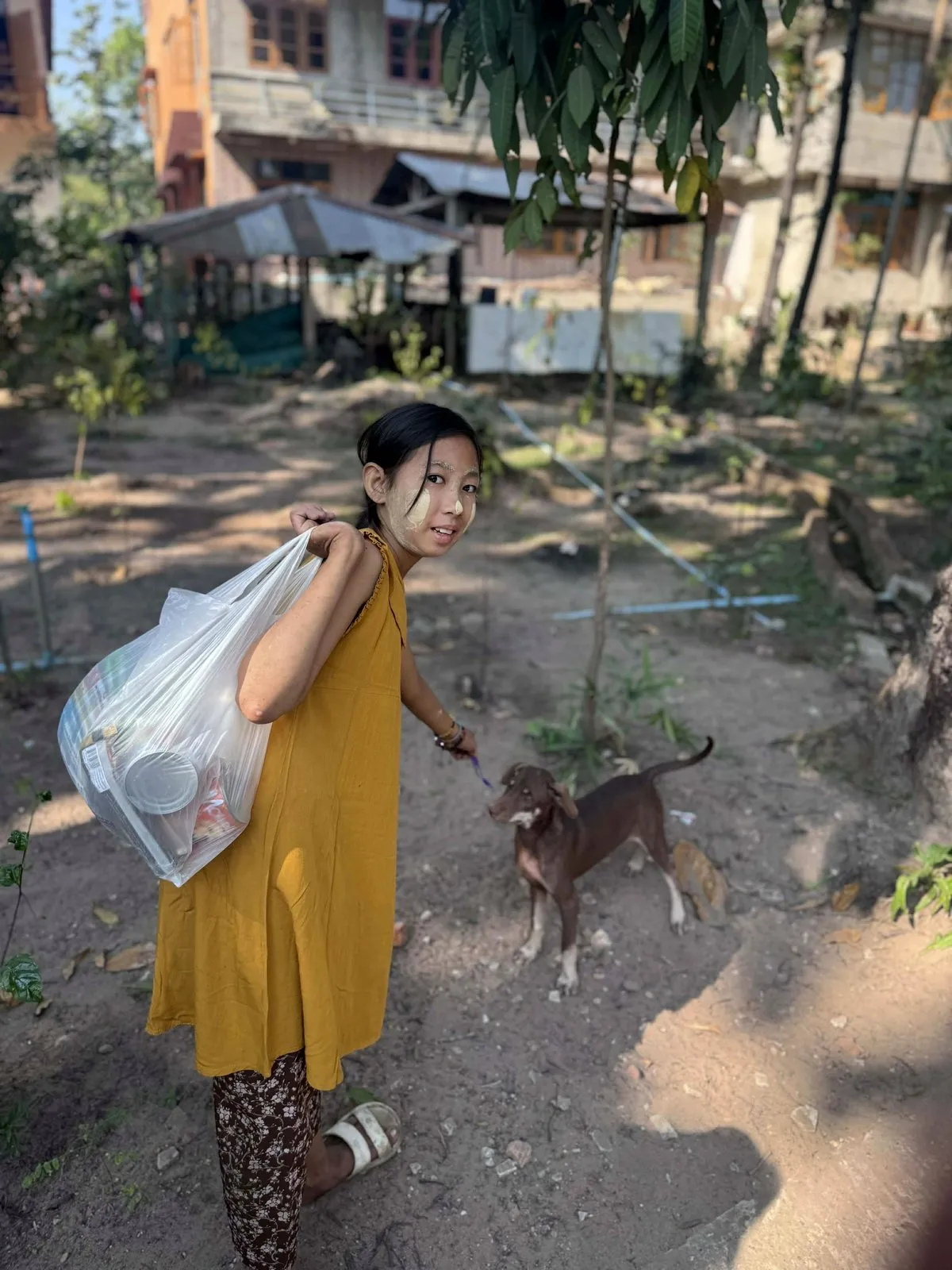
LSTSI's work is rooted in the principle of One Health: the recognition that animal health, human health, and healthy communities are deeply connected. By combining humane population management, rabies prevention, veterinary training, and community education, we seek solutions that benefit both animals and people.
Make an Impact
Give a Street Dog a Safer Tomorrow
Your gift funds the sterilization, vaccination, and care that keep Myanmar's strays and the people around them healthy. It takes just a moment to make a lasting difference.