


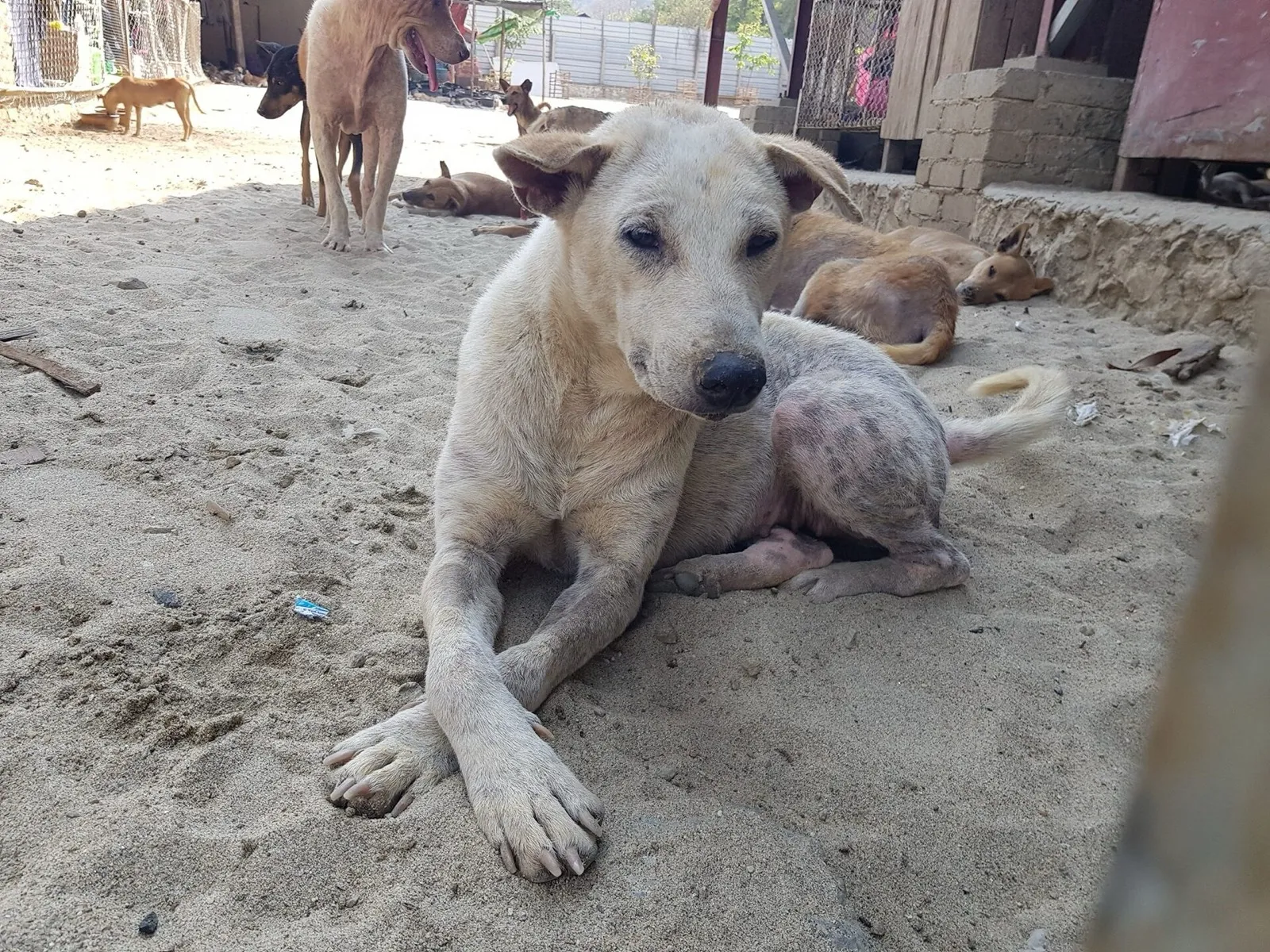
Trap, Neuter, Vaccinate, Return
Humane population management is the foundation of LSTSI's work. Through high-volume TNVR clinics, rabies vaccination, and veterinary care, we help create healthier street animal populations and safer communities.

The Method
What Is TNVR?
TNVR stands for Trap, Neuter, Vaccinate, and Return. It is a humane, evidence-based approach to managing free-roaming dog and cat populations that improves animal welfare while reducing the spread of disease.
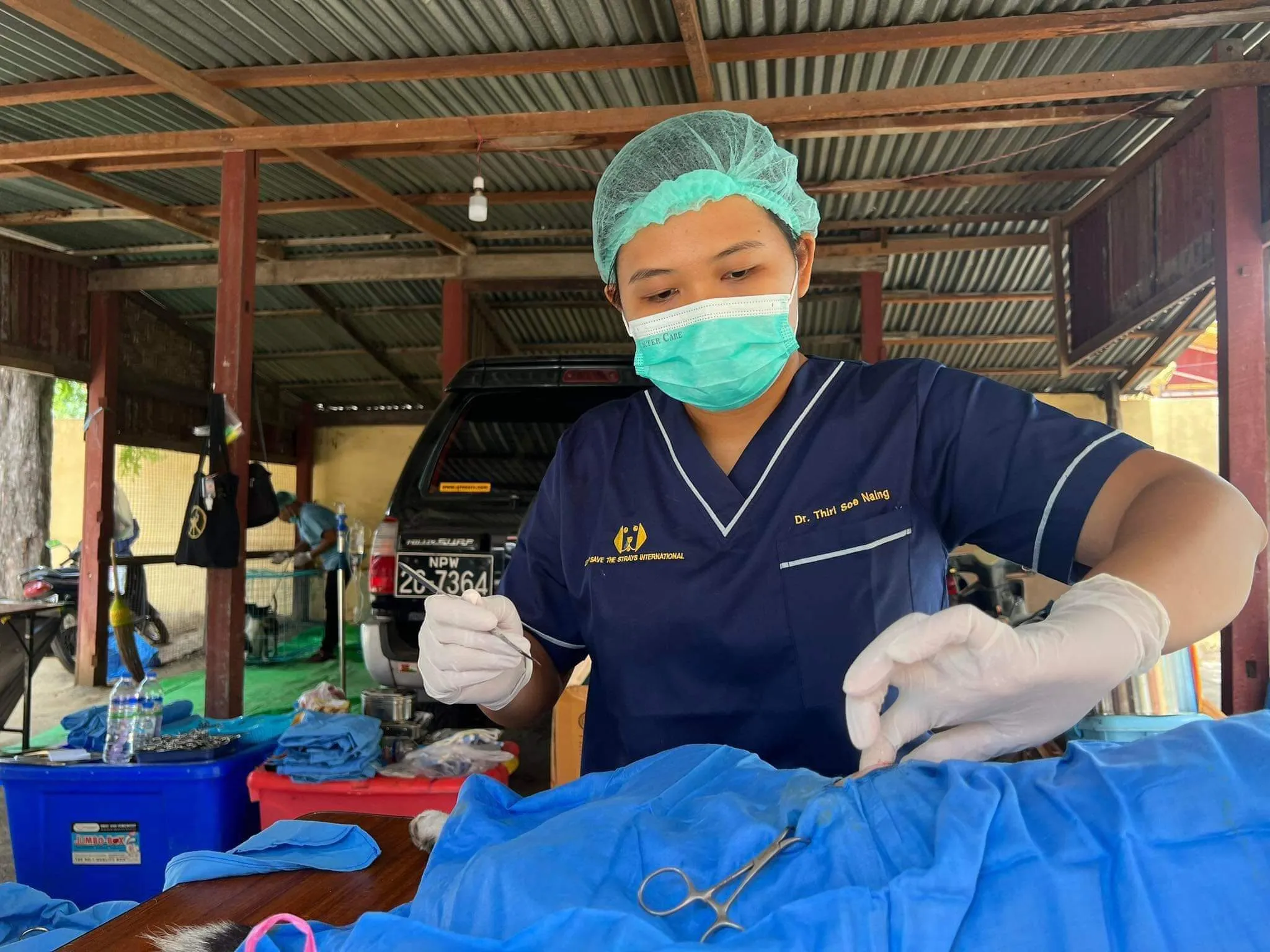
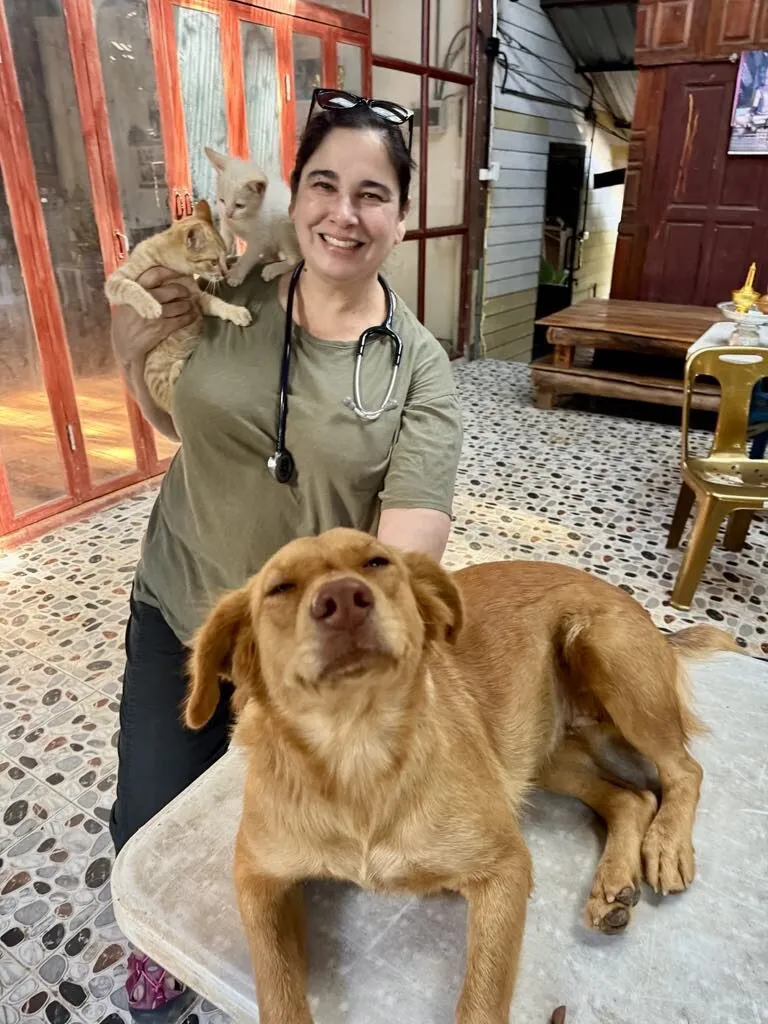
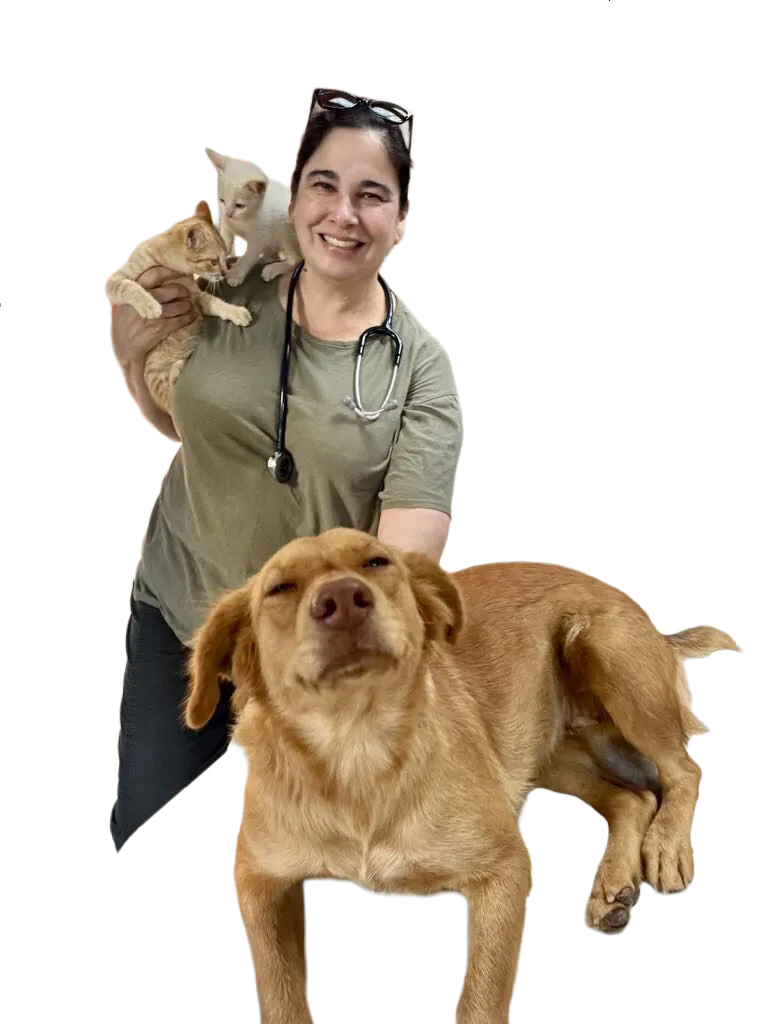
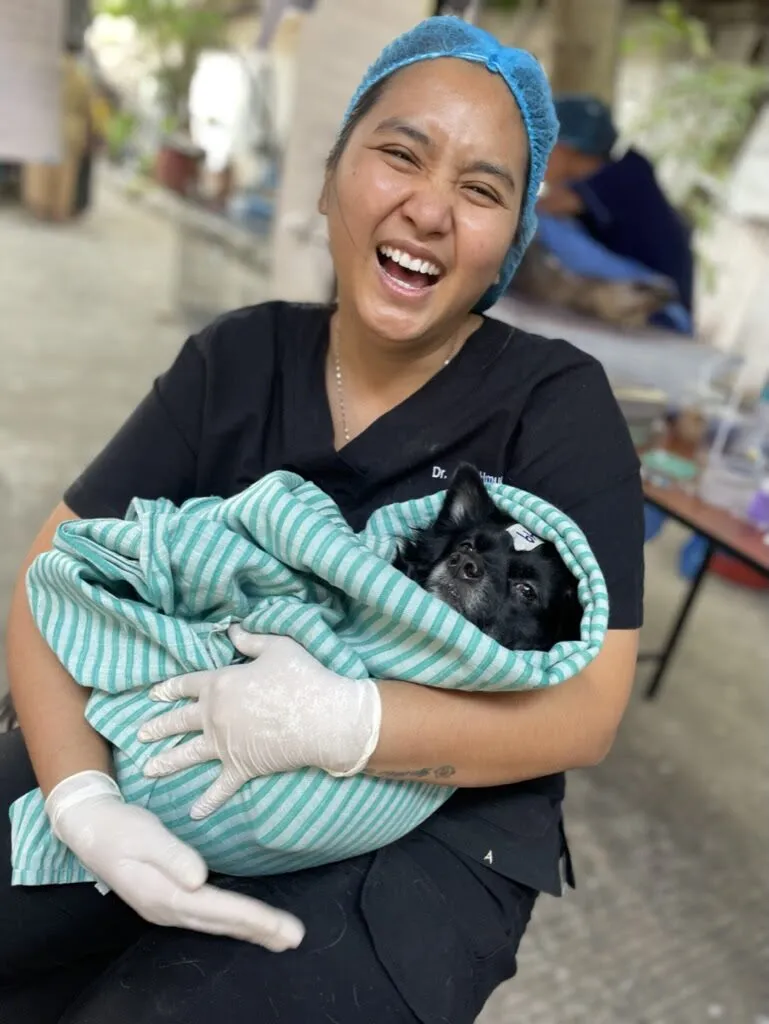
Through monthly M.A.S.H.-style clinics, LSTSI's veterinary teams humanely capture free-roaming animals, provide sterilization surgery, rabies vaccination, parasite prevention, and basic veterinary care, and return them to the communities where they live.
Trap
Animals are humanely captured in the communities where they live and transported to temporary field clinics.
Neuter
Veterinarians perform sterilization surgery to prevent future litters and reduce population growth.
Vaccinate
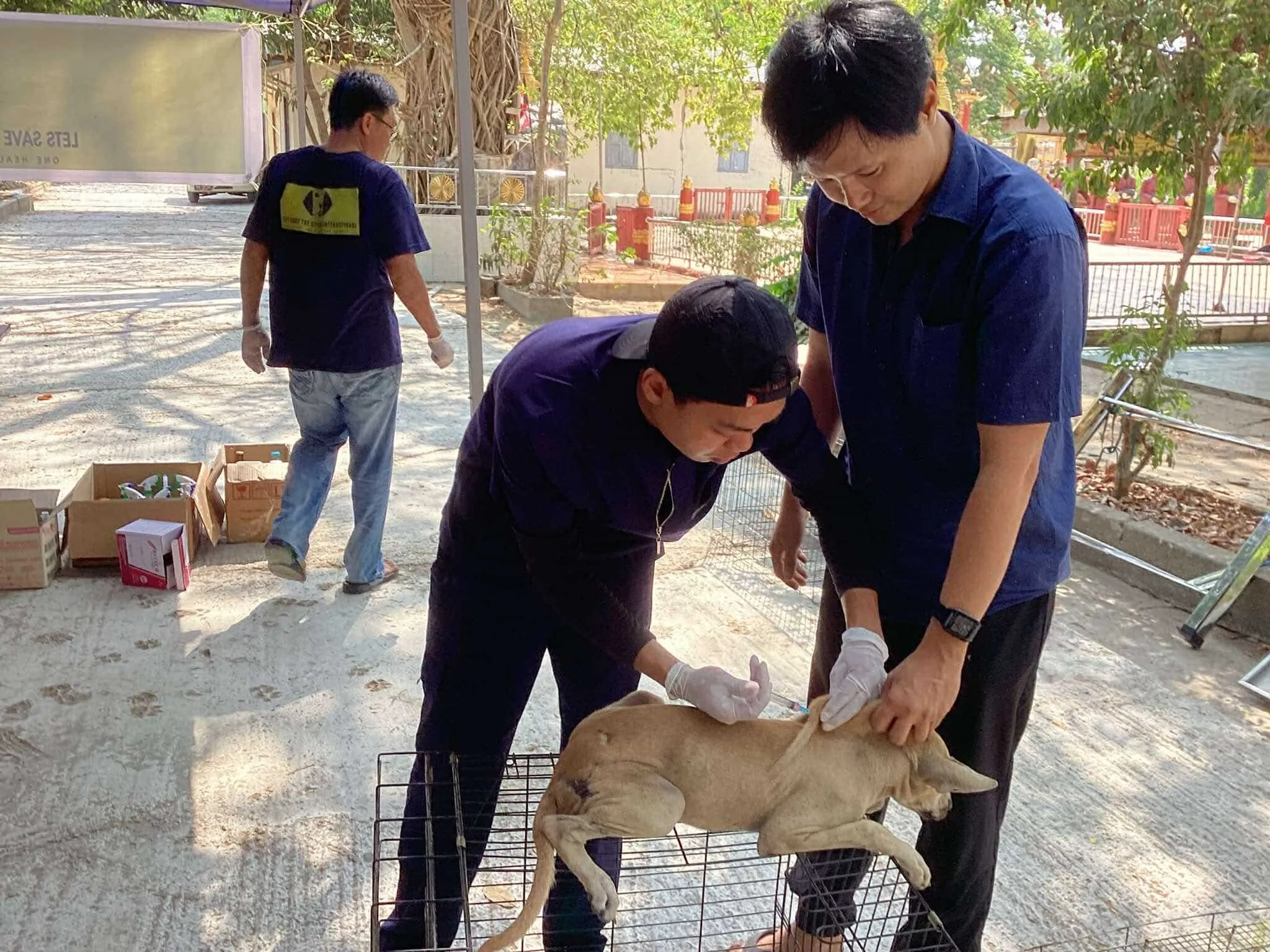
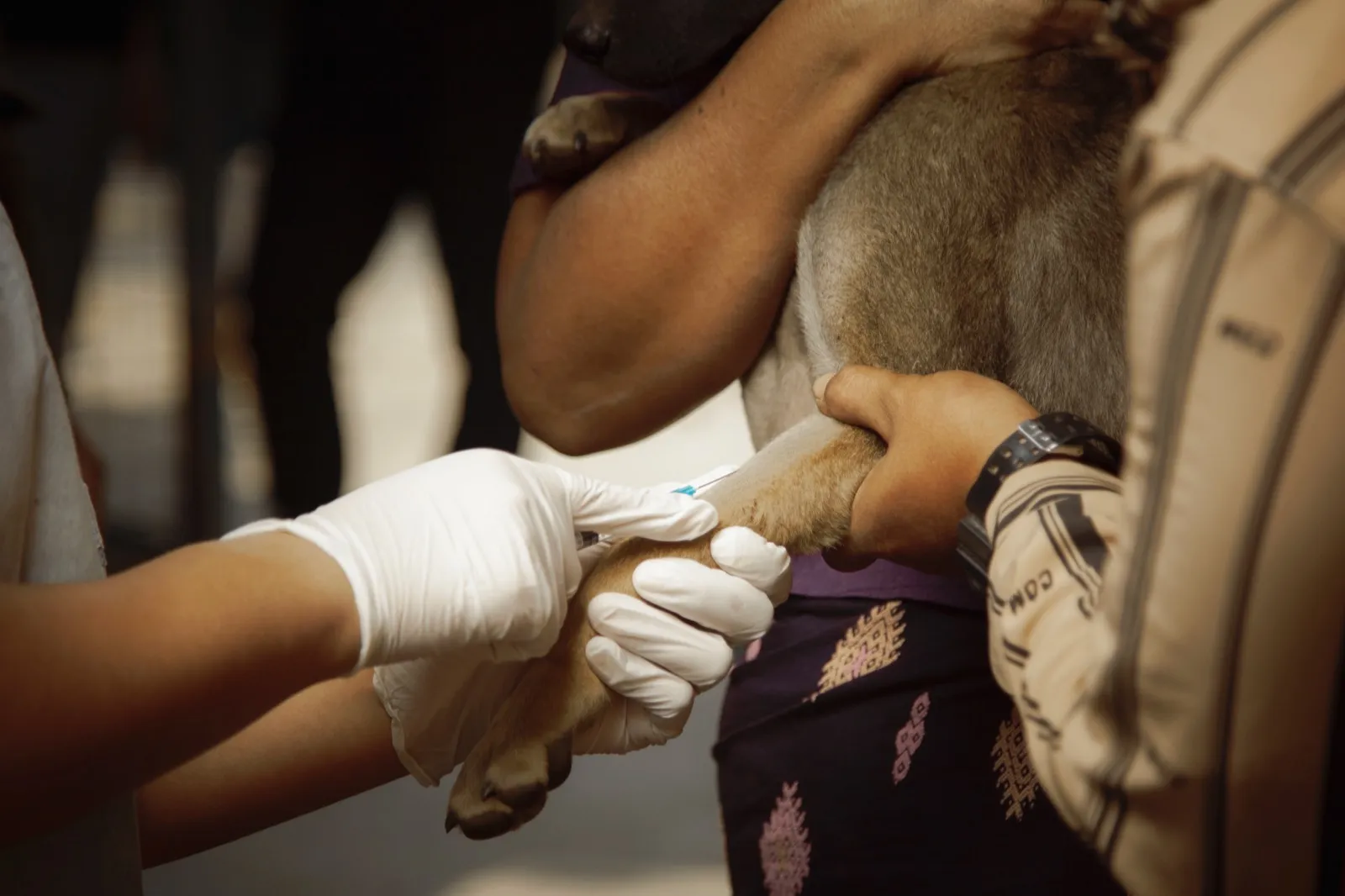
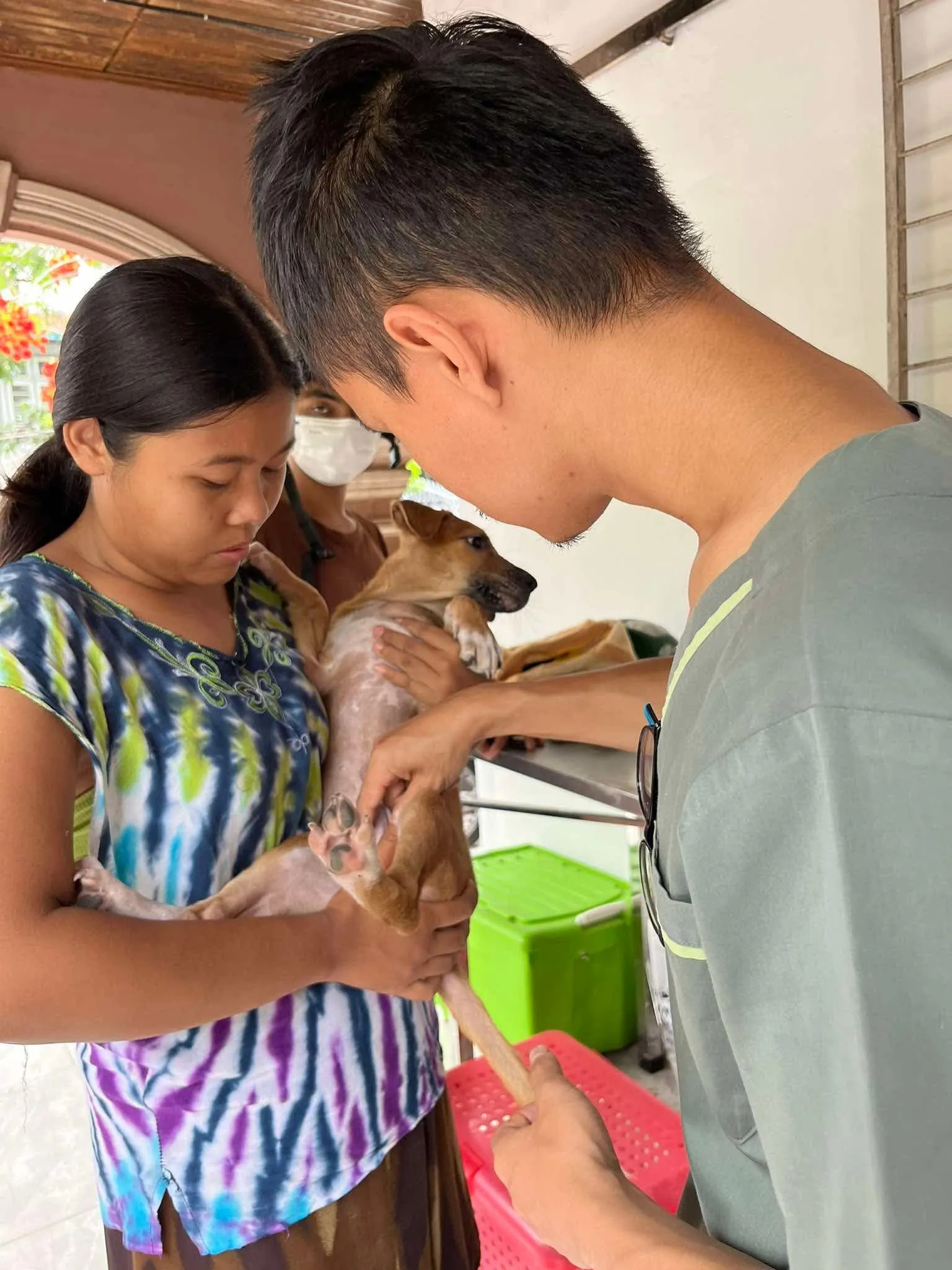
Animals receive rabies vaccinations and other preventive treatments to improve health and reduce disease transmission.
Return
Following recovery, animals are returned to the communities they know, where Community Animal Guardians continue to monitor their well-being.
The Logic
Why TNVR Works
TNVR addresses the root causes of street animal overpopulation by preventing future litters while improving the health of existing animals. When implemented consistently and at sufficient scale, TNVR can stabilize populations, reduce suffering, and improve public health outcomes.
By combining sterilization, vaccination, veterinary care, and community involvement, TNVR offers a humane and sustainable alternative to short-term population control methods.

For Animals
Benefits for Animals
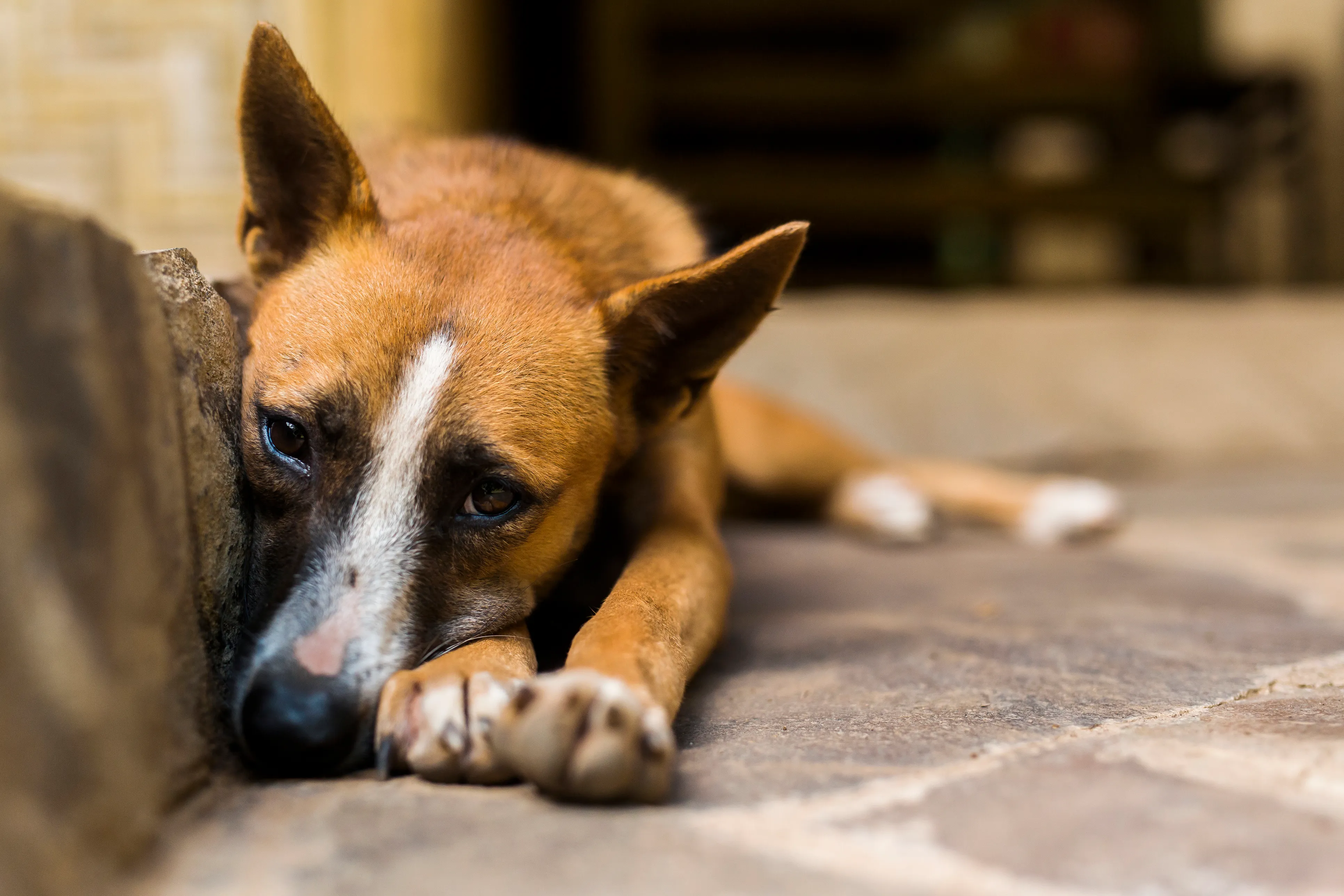
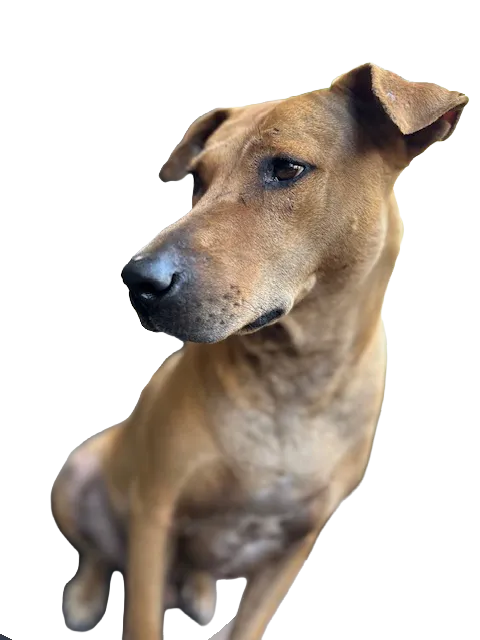
TNVR improves the health and welfare of free-roaming dogs and cats by preventing future litters and reducing the suffering associated with unmanaged breeding. Through LSTSI's clinics, animals receive sterilization surgery, rabies vaccinations, parasite prevention, and veterinary care that they might not otherwise have access to. Healthier animals are better equipped to cope with the challenges of street life, resulting in more stable populations and fewer animals living with preventable illness or injury.
Because animals are returned to the communities they know, TNVR preserves the social structures that already exist while gradually reducing population growth over time. Rather than treating individual cases alone, TNVR addresses the underlying causes of animal suffering in a humane and sustainable way.
For Communities
Benefits for Communities
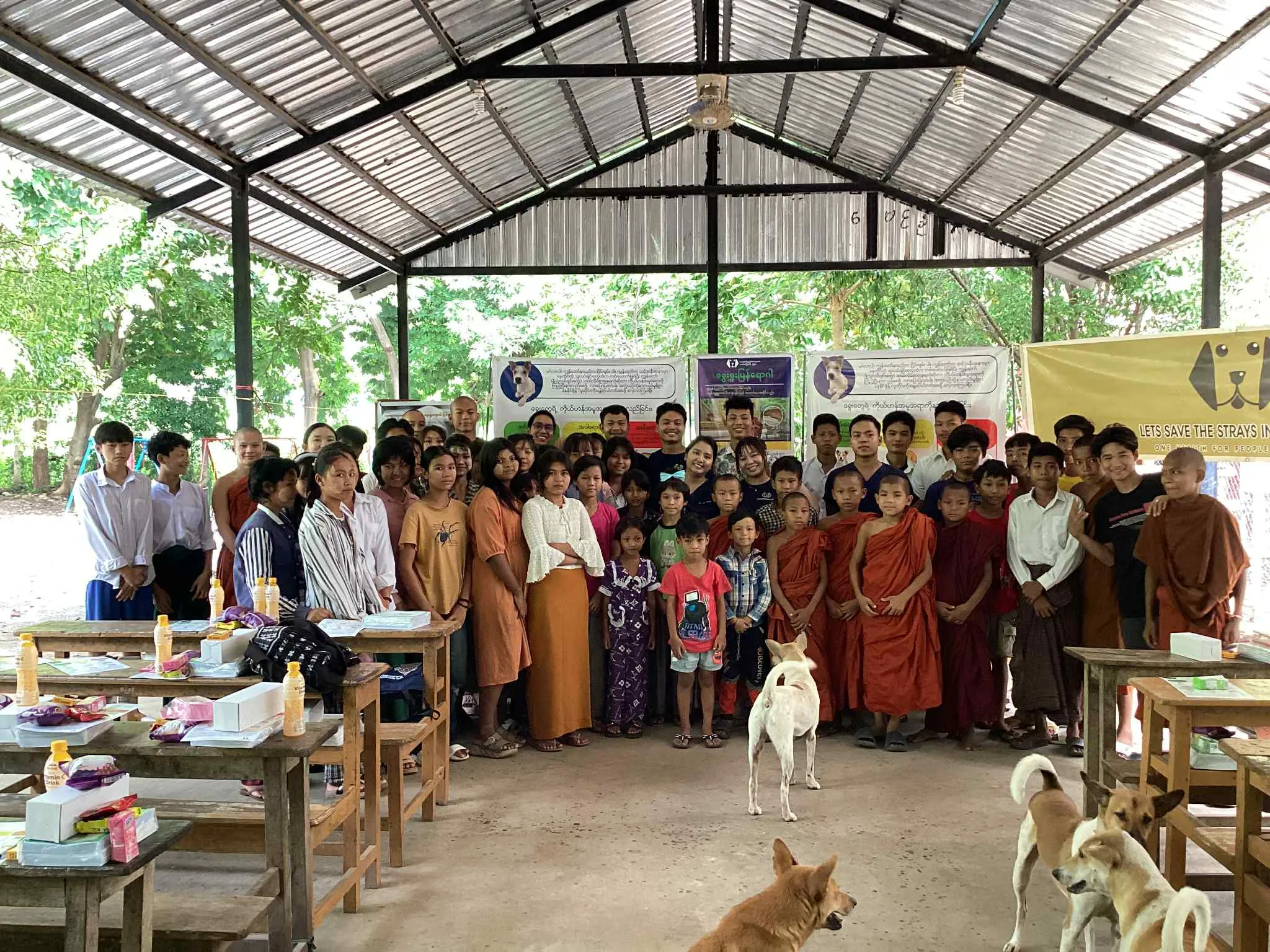
The benefits of TNVR extend beyond animal welfare. By increasing vaccination coverage and reducing the number of unsterilized animals, TNVR helps lower the risk of rabies and supports safer interactions between people and free-roaming dogs. This is particularly important in communities where animals and people live in close proximity and where children frequently encounter street dogs.
TNVR also provides communities with a humane, long-term approach to managing street animal populations. By combining veterinary care with education and local engagement, LSTSI works to strengthen public understanding of animal welfare and promote solutions that benefit both animals and the people who live alongside them. Over time, these efforts contribute to healthier communities, stronger local veterinary systems, and more sustainable approaches to population management.
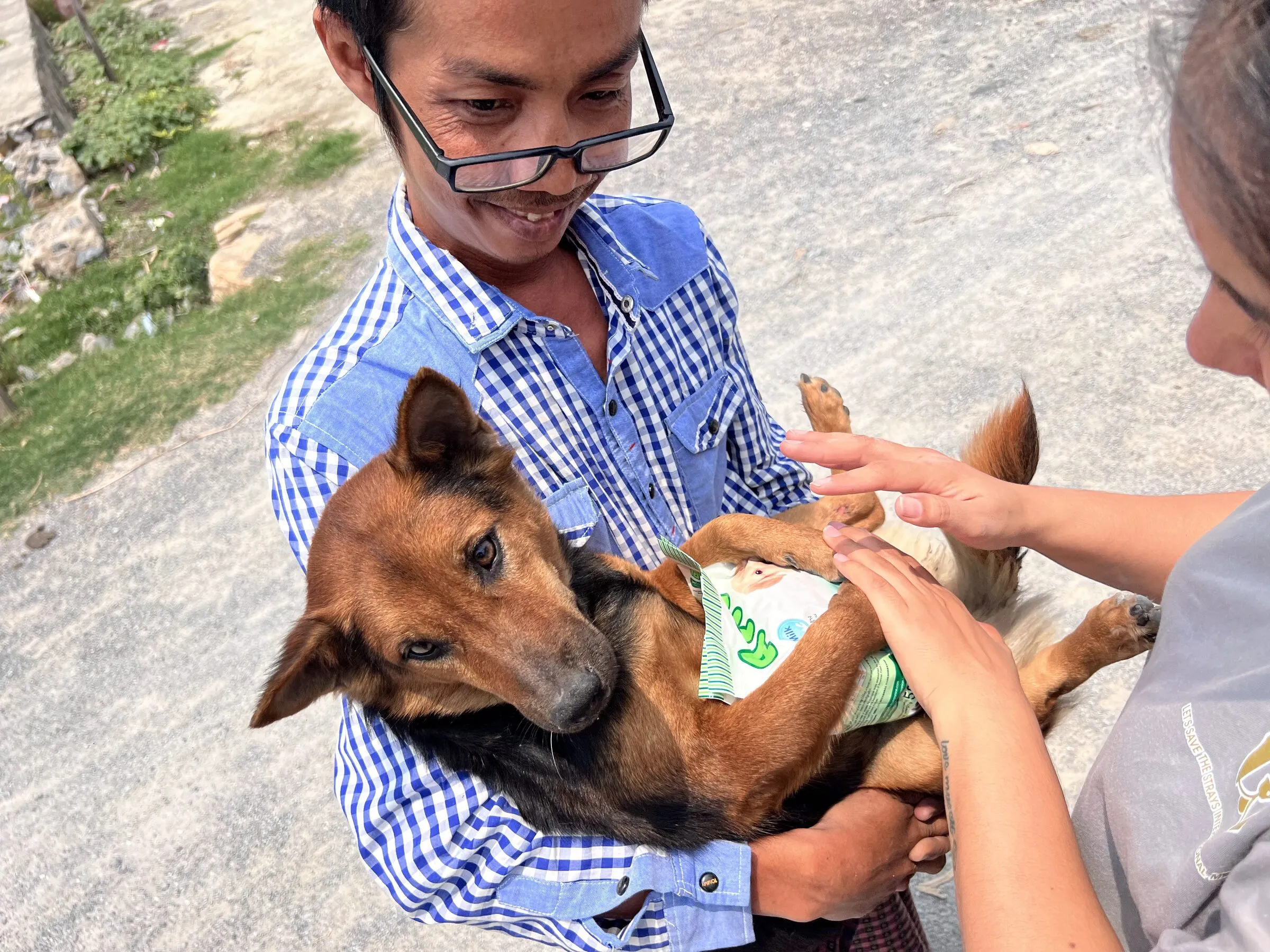
The Research
The Evidence Behind TNVR
Research from organizations including the World Health Organization (WHO) and the International Companion Animal Management Coalition (ICAM) supports vaccination and humane population management as essential tools for reducing rabies and improving animal welfare.
Make an Impact
Give a Street Dog a Safer Tomorrow
Your gift funds the sterilization, vaccination, and care that keep Myanmar's strays and the people around them healthy. It takes just a moment to make a lasting difference.