


Why Myanmar?
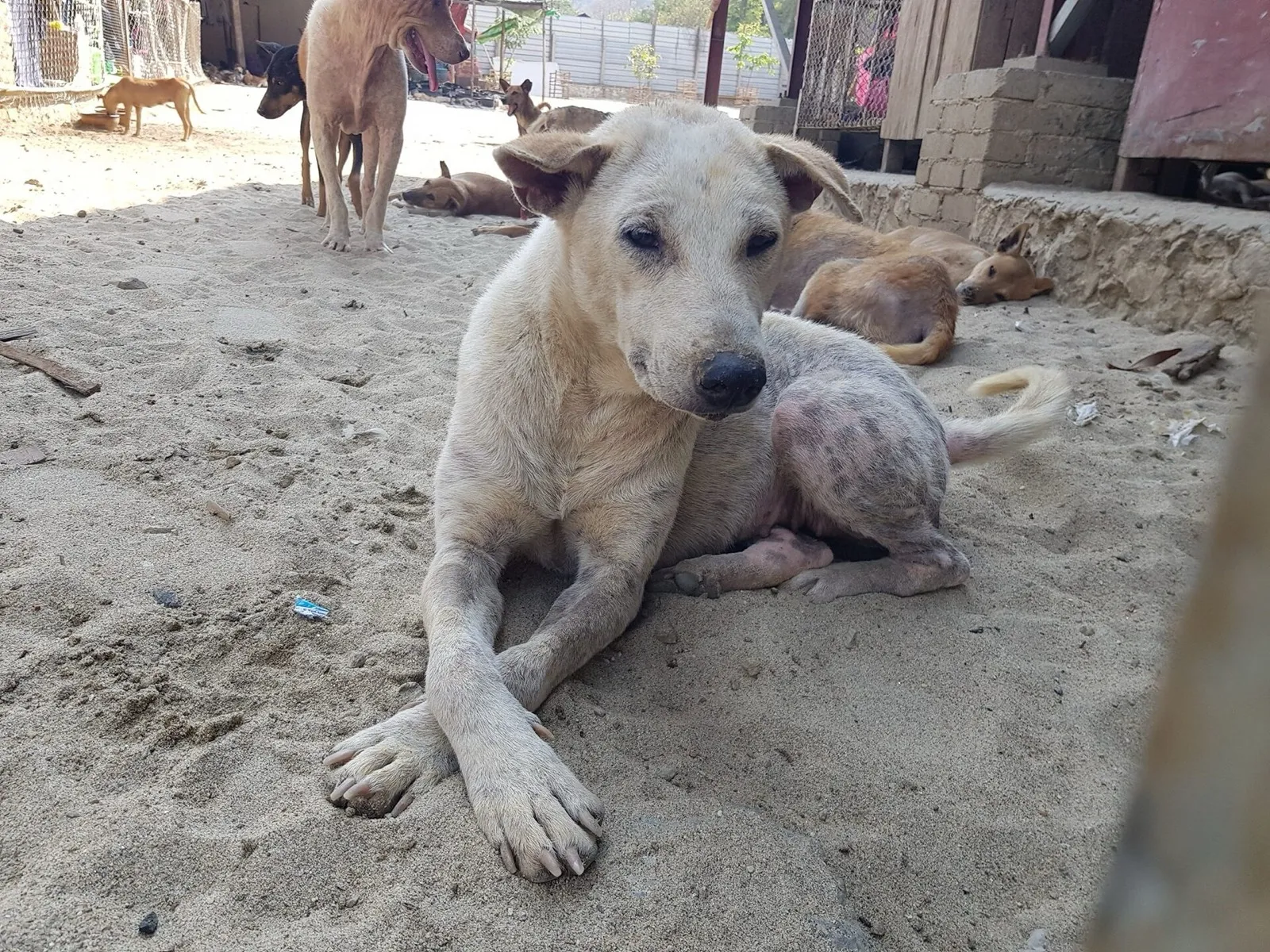
Myanmar faces significant challenges related to free-roaming animal populations, access to veterinary care, and rabies prevention. Through locally led programs, LSTSI works to provide humane, sustainable solutions that improve the lives of both animals and the communities that care for them.

The Context
The Need
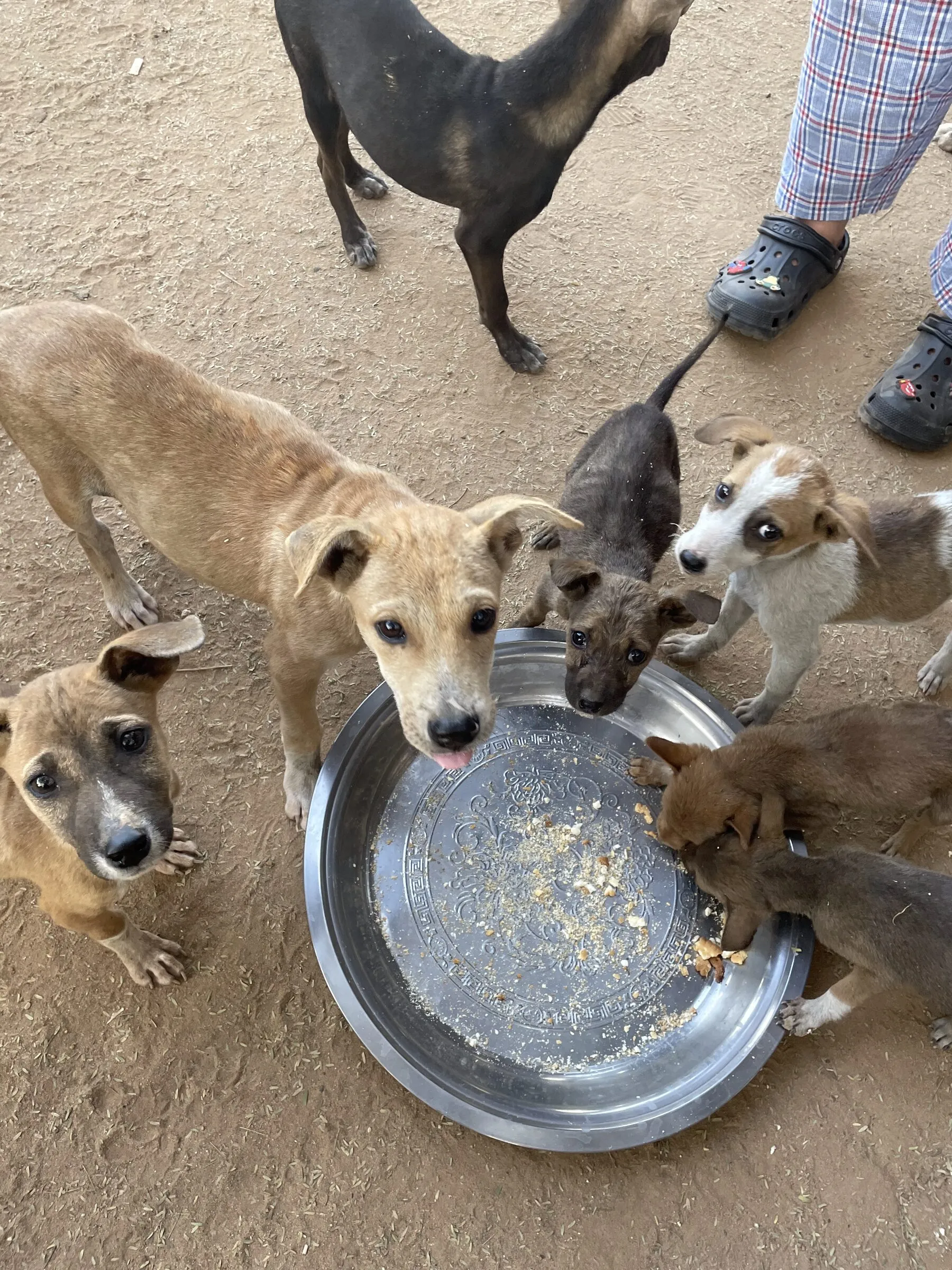
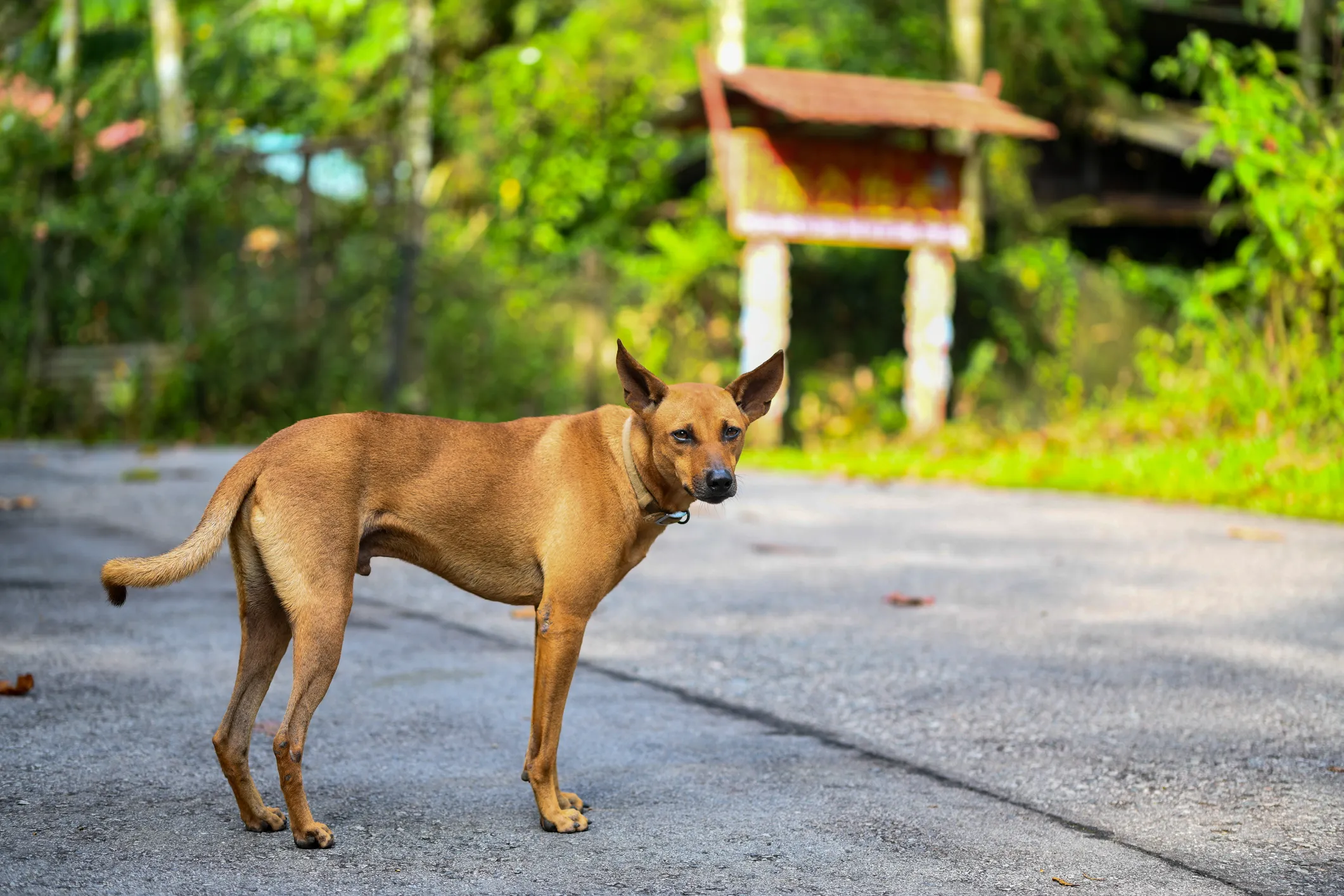
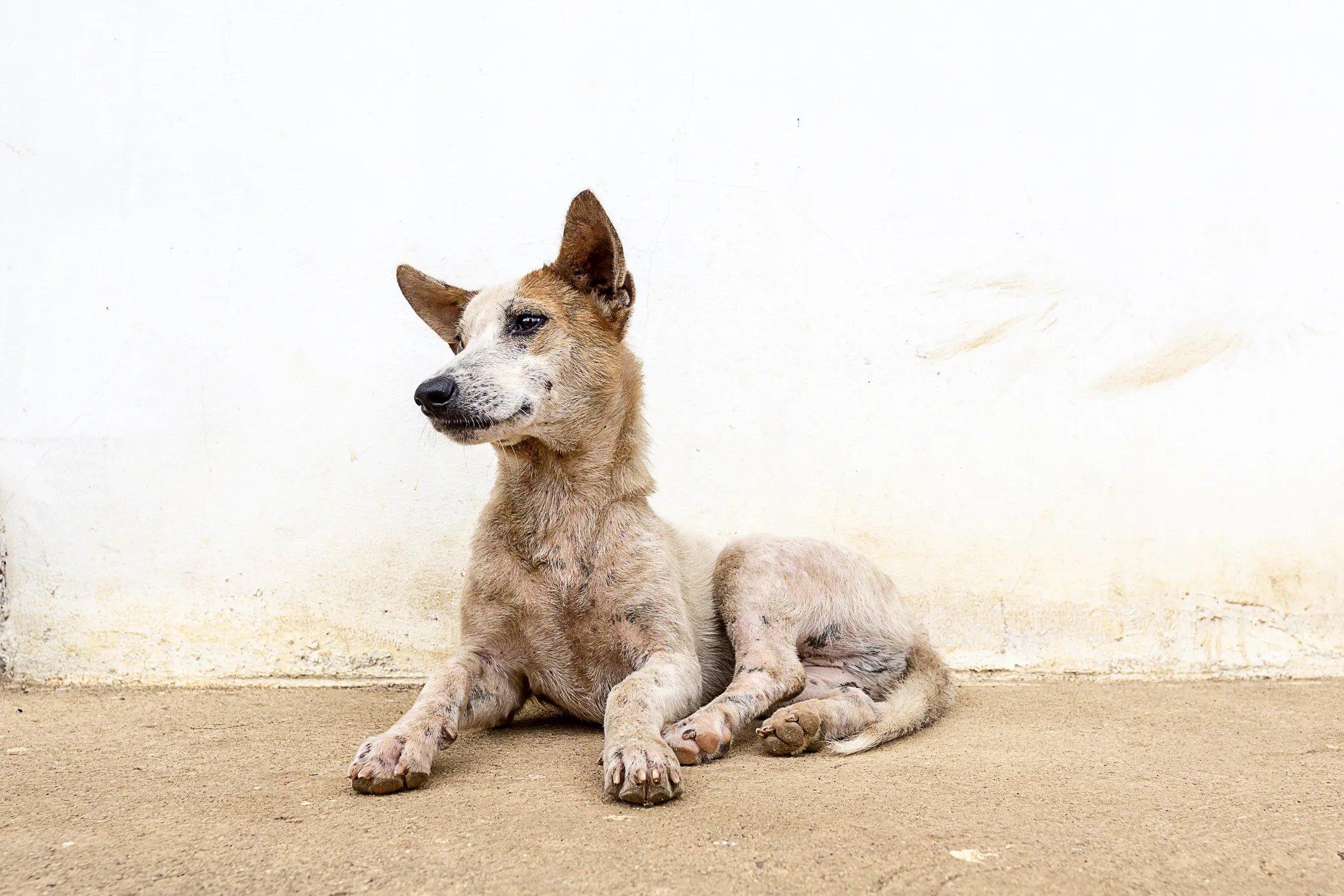
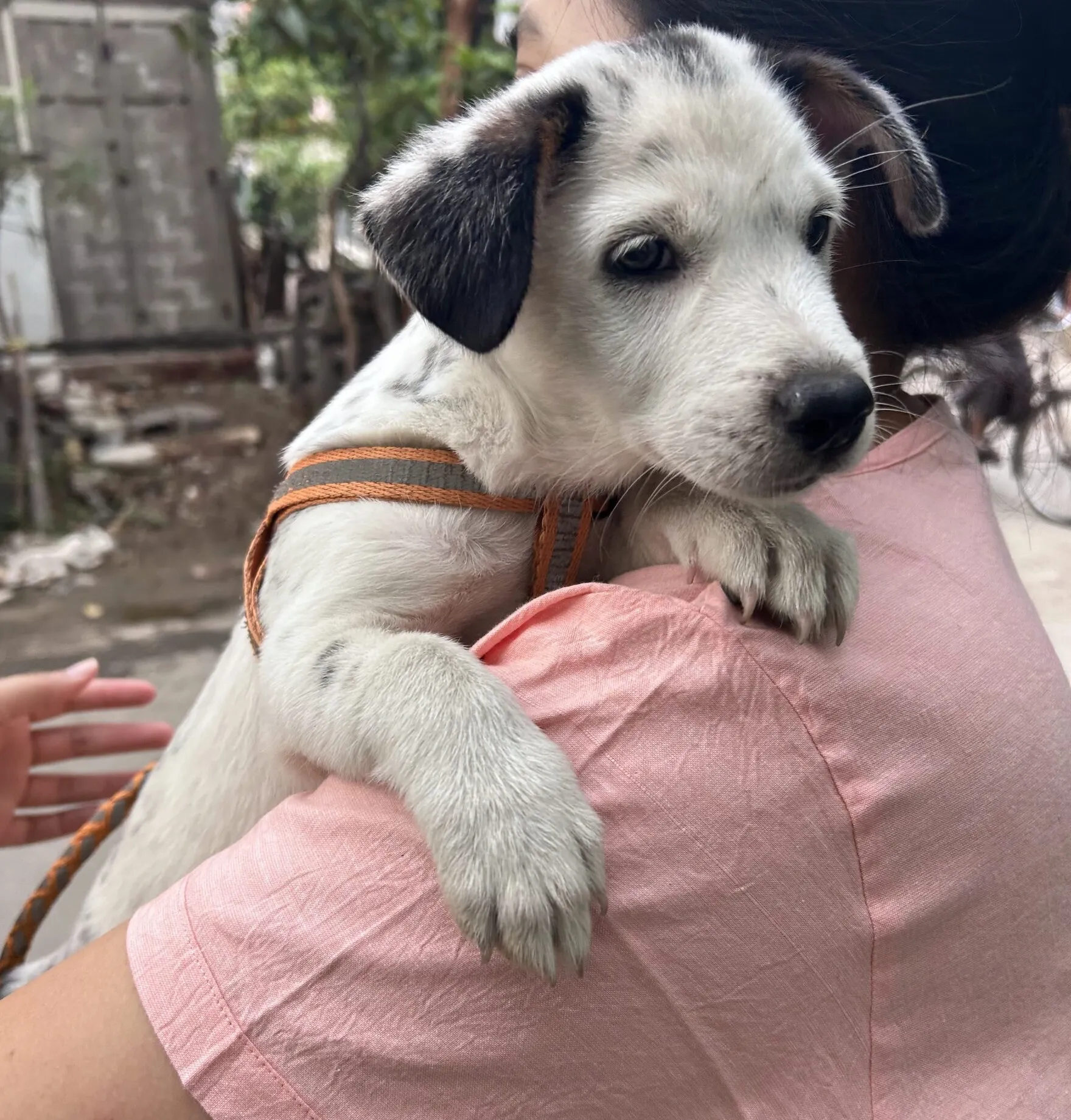
Across Myanmar, communities care for large populations of free-roaming dogs and cats, many of whom lack access to even basic veterinary services. Limited veterinary infrastructure, economic hardship, and restricted access to medications and supplies have created significant challenges for both animals and the people who live alongside them.
Without access to sterilization and vaccination programs, communities often struggle to manage growing street animal populations and reduce the risk of rabies. As a result, local residents, schools, monasteries, universities, and public institutions increasingly seek humane, long-term solutions that improve animal welfare and public health. This growing demand underscores the need for sustainable, community-centered approaches to population management.
Growing Confidence
Building Humane Solutions
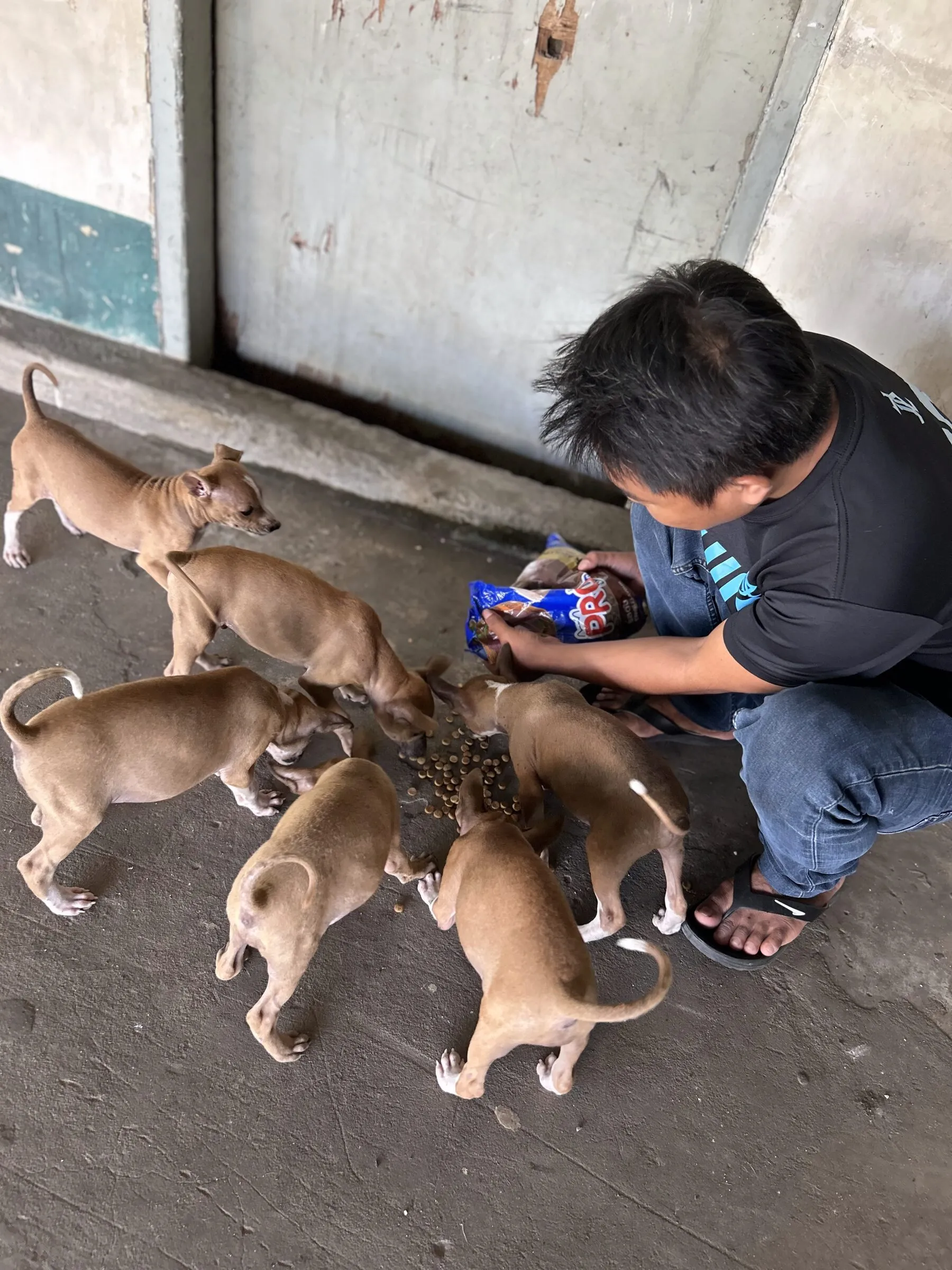
Communities throughout Myanmar submit regular requests for TNVR services as humane alternatives to poisoning and other short-term approaches to population management. In recent years, local authorities have increasingly sought support in areas surrounding schools, hospitals, government buildings, and other public spaces with large free-roaming dog populations, reflecting growing confidence in TNVR as an effective and sustainable solution.
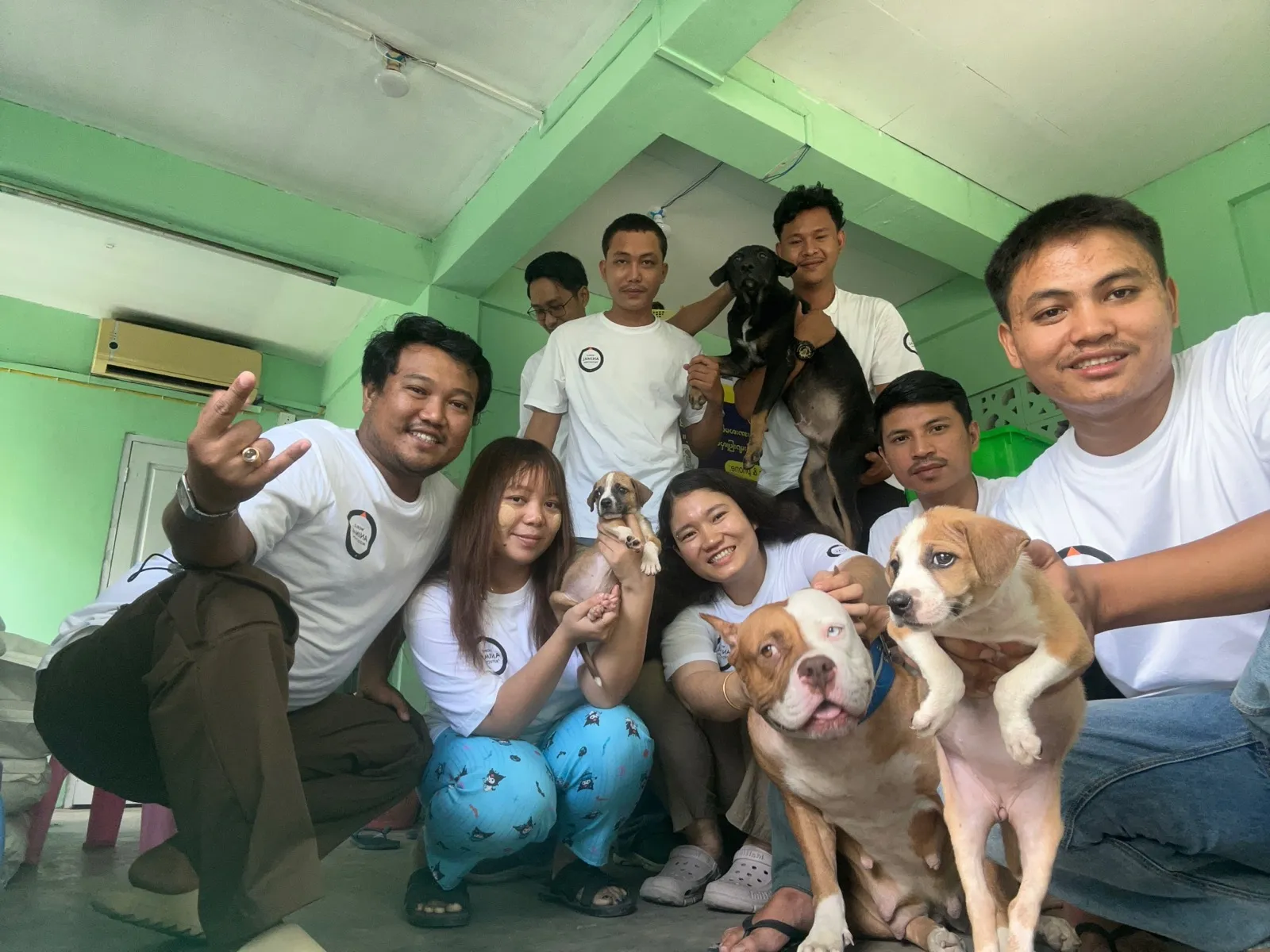
By combining veterinary care, education, and community engagement, LSTSI works to reduce animal suffering while helping communities build safer and healthier environments for both people and animals.

March 2025 Earthquake
Responding in Times of Crisis
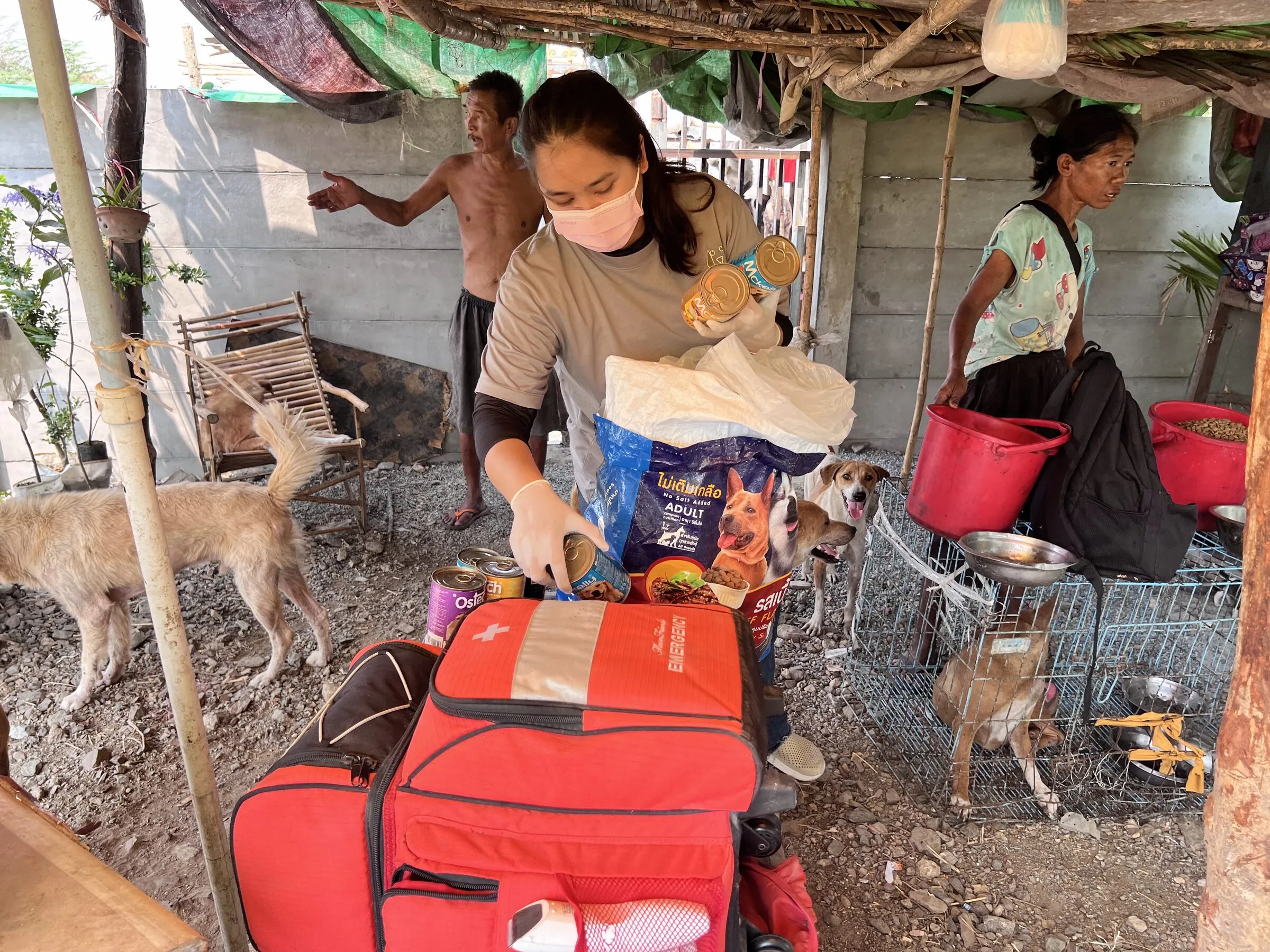
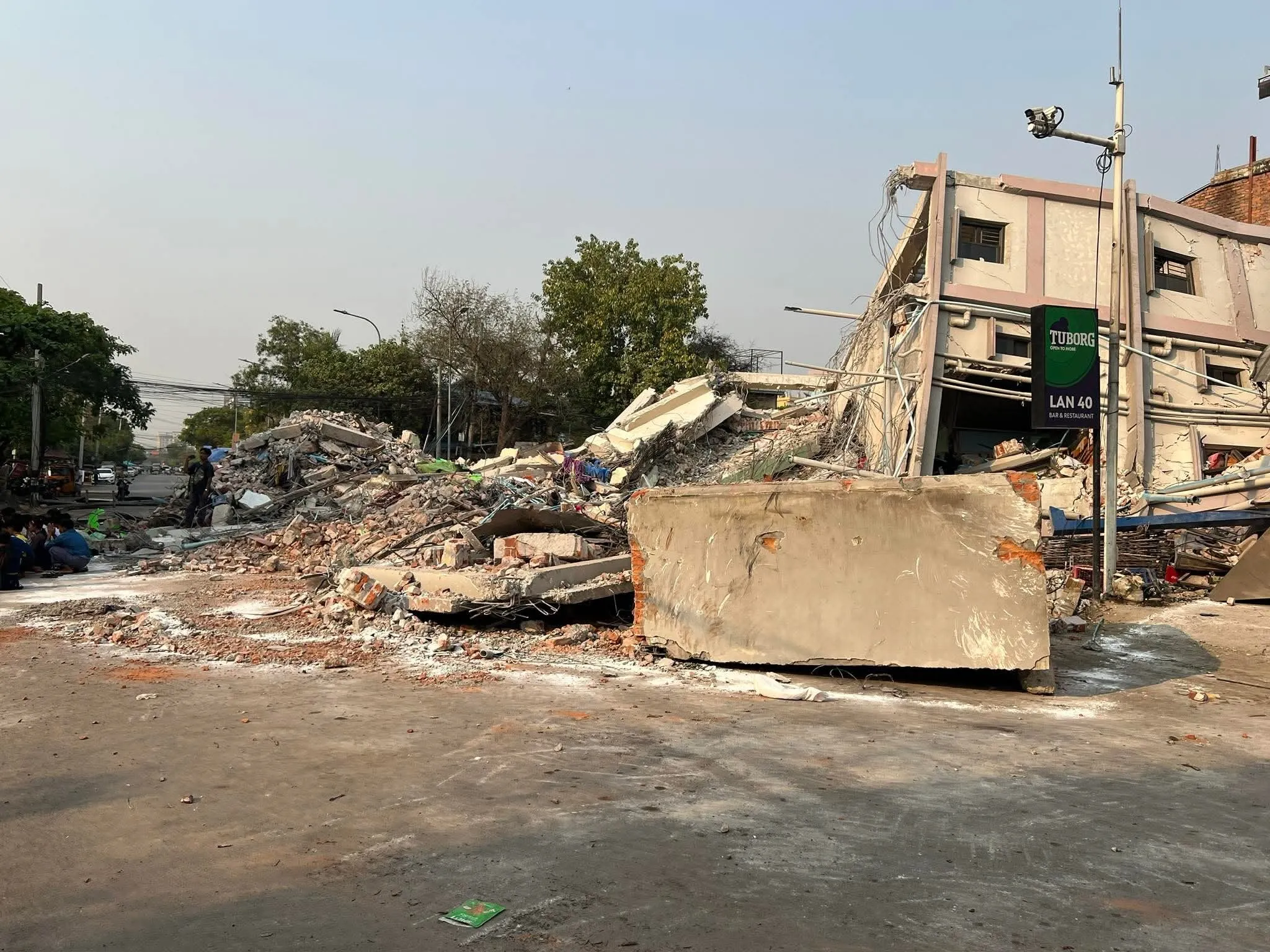
Myanmar continues to face economic challenges, damaged infrastructure, fuel shortages, and the long process of recovery following the March 2025 earthquake. Despite these obstacles, LSTSI's locally led teams have continued to operate monthly clinics and expand access to veterinary care in the communities that need it most.
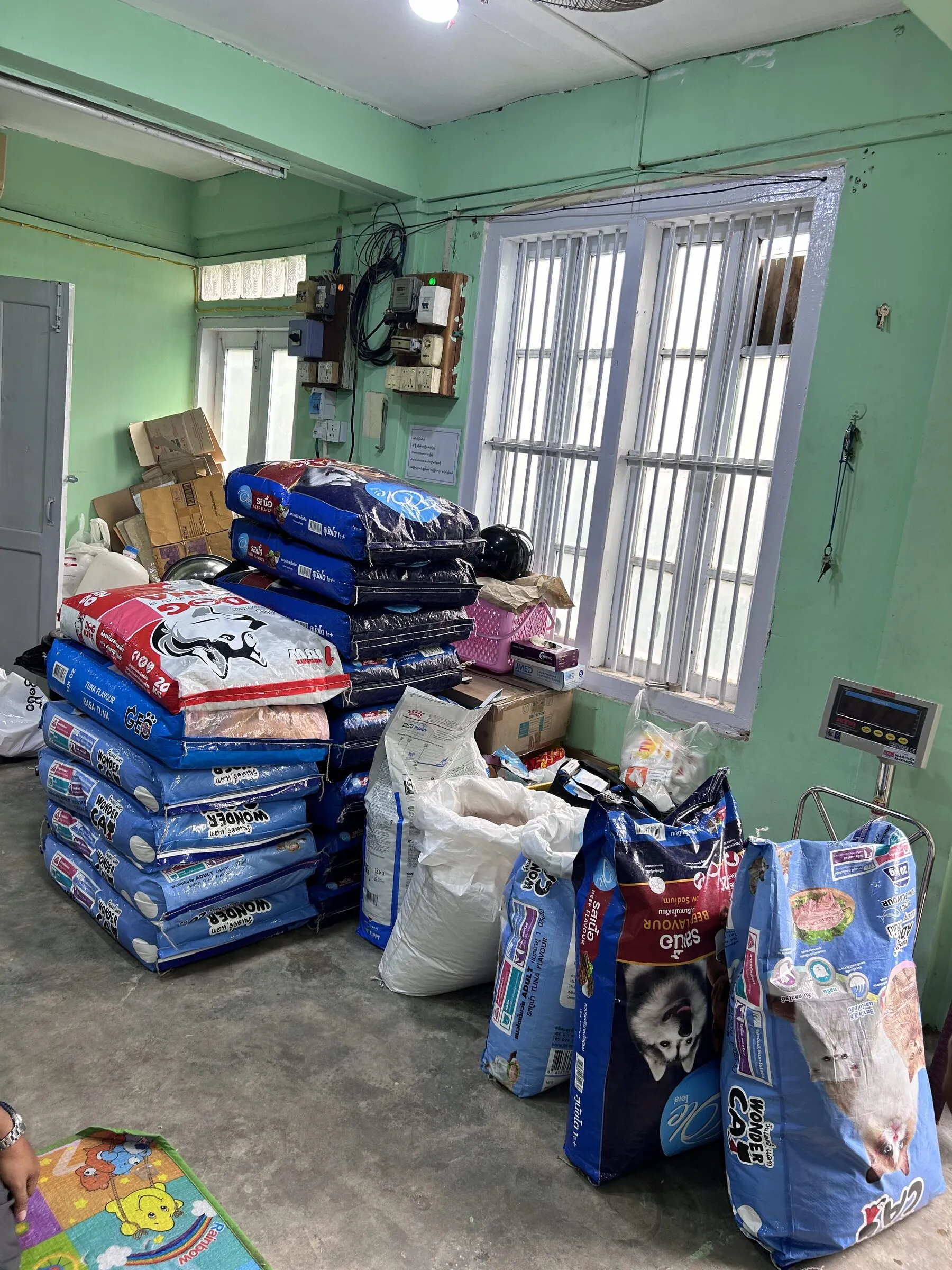
The organization's rapid response to the earthquake demonstrated the strength and flexibility of its model. By relying on established relationships, local leadership, and community trust, LSTSI was able to mobilize quickly and provide emergency veterinary care and supplies to affected animals and communities.
Since 2019
A Long-Term Commitment
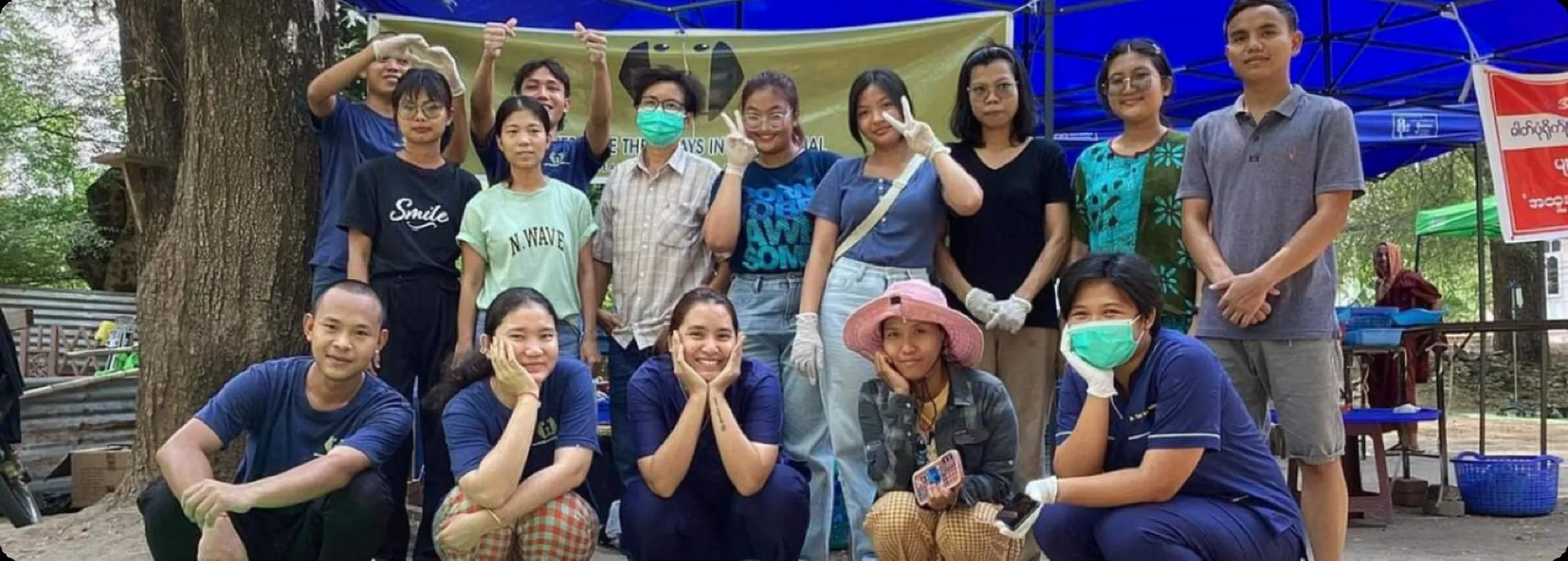
LSTSI began working in Myanmar in 2019 and now operates locally led programs in Mandalay and Yangon. Through monthly TNVR clinics, veterinary training, humane education, and community engagement, our teams work directly within the communities where the animals live.
What began as an effort to provide veterinary care has evolved into a broader commitment to strengthening local veterinary systems, expanding rabies prevention, and supporting sustainable solutions that can continue for years to come.
Looking Ahead
LSTSI believes that lasting change requires more than short-term interventions. Through humane population management, veterinary capacity building, and community education, we are working toward a future in which healthier street animal populations, safer communities, and stronger local veterinary systems can thrive together.
Make an Impact
Give a Street Dog a Safer Tomorrow
Your gift funds the sterilization, vaccination, and care that keep Myanmar's strays and the people around them healthy. It takes just a moment to make a lasting difference.